
 Accutane and Mental Health: Research and Personal Stories
What Science Says about Isotretinoin and Mood
Studies have explored links between isotretinoin and mood changes, producing nuanced results: population data show rare associations with depression and suicidality, while many clinical trials report no clear causal effect. Researchers emphasize small absolute risk, variability between individuals, and limitations like study design and reporting bias.
Clinicians recommend baseline mental health screening, informed consent, and active monitoring rather than alarm. If mood shifts occur, prompt evaluation, temporary suspension, or alternative therapies can be lifesaving. The evidence encourages personalized decisions combining dermatologic benefit, psychiatric history, and patient-clinician judgment and ongoing support.
| Finding | Implication |
|---|---|
| Mixed trial and population data | Suggests careful monitoring |
| Low absolute risk but variable individual response | Supports informed consent |
Debunking Myths: Separating Correlation from Causation
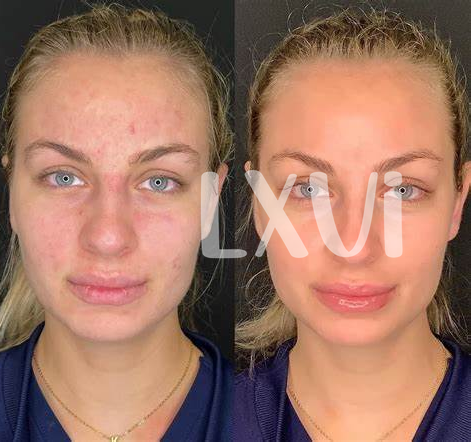
A friend told me a story about sudden depression after starting accutane; it felt convincing until I learned the timeline and other stressors that were present. Hearing one story is moving, but anecdotes lack controls and miss context.
Scientific studies often find associations but struggle to isolate causation because randomized trials for rare psychiatric events are impractical and ethically fraught. Meta-analyses show mixed results, with some signals but no clear proof.
Confounding factors like severe acne itself, prior mental health history, social isolation, and concurrent medications can create misleading links that look like drug effects. Understanding study design, sample size, and reporting bias helps interpret findings responsibly.
The takeaway: ask questions, track mood changes, report concerns promptly, and weigh personal context with clinical evidence when discussing accutane with providers. Balanced conversations respect both data and personal experience, guiding safer decisions.
Personal Narratives: Real Patients Share Raw Experiences
A recent patient recounts nightly mood swings after starting accutane, describing how severe acne relief came with unexpected emotional turbulence, prompting honest conversations with her dermatologist and family for support.
Another man narrates depressive episodes that resolved after medication adjustment and therapy; his account emphasizes careful monitoring, open communication, and that individual responses to isotretinoin can vary widely and unpredictably.
These stories illustrate both rare adverse effects and successful coping strategies—journaling, therapy, medication review—reminding readers to report mood changes promptly, weigh benefits versus risks, and seek compassionate care from professionals.
Monitoring Strategies: Spotting Warning Signs Early

I remember the first week on accutane when small irritations felt larger than they should; I began tracking mood like a scientist with a notebook. Recording sleep, appetite, thought patterns and triggers turned anxiety from a vague cloud into measurable data. Friends and family were enlisted as gentle mirrors, asked to flag abrupt changes in behavior or withdrawal. That narrative habit—noticing and noting—became the single most useful tool for early detection.
Practical strategies include a baseline mental-health screen, regular PHQ-9 or GAD-7 check-ins, scheduled clinician reviews and checklists for family. Use apps to chart patterns, reminders for sleep and hydration—simple stabilizers that matter. Clear emergency steps with an identified contact and an agreement to pause or adjust medication if severe symptoms emerge create safety, and stronger family support. Early recognition with swift clinical action reduces risk and preserves treatment benefits.
Weighing Benefits and Risks: Making Informed Decisions
I weighed the promise of clearer skin against warnings from doctors and friends; a single conversation about accutane shifted that balance. Clinical studies show dramatic improvement for severe acne, but they also document mood changes in a minority.
Choosing treatment meant listing my mental-health history, support systems, and tolerance for side effects. I asked about monitoring plans and alternative therapies, so risks could be minimized and benefits tracked.
In the end, informed consent empowered me: review evidence, ask questions, schedule check-ins, and address emotional changes promptly with help as needed.
Support Networks, Therapy Options, and Recovery Stories
Friends, family, and online groups often become anchors during tough treatment phases; many patients describe how simple listening, check-ins, and shared coping tips reduced isolation and encouraged timely medical follow-up.
Therapy options range from brief cognitive techniques to medication management; clinicians stress individualized plans, baseline mood screening, and communication between dermatologists and mental health providers to catch problems early proactively.
Recovery stories often mix setbacks with resilience; tracking moods, adjusting treatments, and building supportive routines helped many regain stability, reminding readers that hope and recovery are realistic outcomes for others. FDA: Isotretinoin information Mayo Clinic: Isotretinoin overview