
 Albenza Myths Debunked: Facts Vs Fiction
Does Albenza Cause Severe Birth Defects?
When a medication might touch pregnancy, stories spread fast. For this drug, animal studies showed developmental harm at high doses, which seeded fear. Human data are limited and inconsistent, so sweeping claims of major birth defects in people are not well supported by large studies.
That said, because animal experiments used doses and timing different from typical human use, clinicians advise caution. Standard guidance recommends avoiding treatment during pregnancy and using contraception for at least one month after a single dose, or longer with extended therapy.
If pregnancy is possible, discuss risks and alternatives with your provider; they can weigh limited human evidence against benefits for serious infections and plan safe timing for therapy appropriately.
| Evidence | Conclusion |
|---|---|
| Animal studies | Teratogenic at high doses |
| Human data | Limited; no definitive large-scale link |
| Guidance | Avoid in pregnancy; consult provider |
Single Dose Claims: Is One Pill Enough?
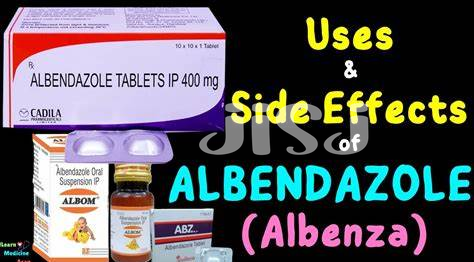
A rumor persists that a solitary tablet cures parasitic infections overnight, tempting patients toward simplicity. In reality, albenza dosing depends on the parasite type, patient weight, and clinical judgement. Short courses can fail to eradicate infection and require repeat or longer regimens under medical supervision.
Don't gamble with anecdotes; inadequate treatment can promote resistance and complications. Follow evidence-based protocols: diagnosis confirmation, prescribed duration, and follow-up testing. Clinicians balance efficacy and safety, so discuss concerns and avoid single-tablet fixes unless a specialist has explicitly recommended that approach for optimal patient outcomes.
Natural Remedies Versus Albenza: Can They Replace?
Many people try herbal teas, garlic, or pumpkin seeds hoping to cure tapeworms and other parasites. While these remedies can soothe symptoms or complement treatment, evidence is weak and inconsistent. Their appeal is understandable, but serious infections need proven therapies.
Albenza remains the only FDA-approved option for several parasitic infections with studied dosing, safety profiles, and cure rates. Replacing it with unproven remedies risks treatment failure, prolonged infection, and complications. Clinical trials back its use.
Discuss complementary approaches with a clinician, who can advise safe supplements and monitor response. In short, consider natural measures as adjuncts, never as substitutes for prescribed albenza unless a provider recommends otherwise. If allergic or pregnant, consult your clinician first.
Albenza Side Effects: How Common and Dangerous?
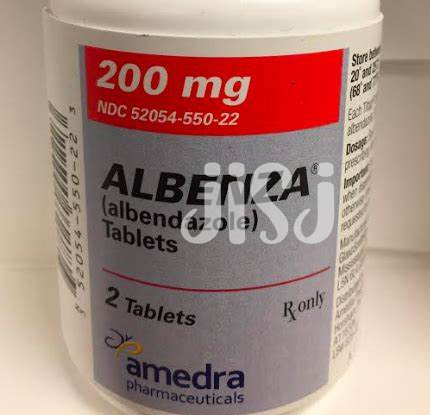
Most people tolerate albenza well, but side effects are real and usually mild: nausea, headache, and dizziness are common within the first days of treatment. Serious reactions—like liver enzyme elevations or severe allergic responses—are rare, yet they demand prompt medical attention. Risk increases with prolonged use or preexisting liver disease.
Statistical perspective helps: mild adverse events occur in a noticeable minority, while severe complications appear in only a small fraction of patients in clinical studies. Clinicians balance benefits against risks, monitor liver tests when indicated, and advise patients to report new symptoms immediately to reduce danger and ensure safe recovery. Older adults and pregnant women need individualized counseling; baseline labs and follow-up reduce uncertainty promptly.
Drug Interactions: What Should You Really Avoid?
When your doctor prescribes albenza, consider what else you're taking. Interactions can change effectiveness or safety, so don't assume single-drug simplicity.
Common culprits include enzyme-inducing anticonvulsants (carbamazepine, phenytoin) that lower active levels, and agents like cimetidine that may raise them. Antibiotics and herbal supplements can interfere.
Also be cautious with hepatotoxic medicines; use can increase liver strain. Always tell your clinician about prescription, over-the-counter, and herbal products.
| Drug | Concern |
|---|---|
| Carbamazepine, phenytoin | May lower albenza levels |
| Cimetidine | May increase albenza exposure |
| Hepatotoxic drugs | Increased liver risk |
Resistance and Treatment Failure: Are We Safe?
A patient I met feared her parasite wouldn’t yield to treatment, a common worry. That anxiety can drive patients to seek alternatives.
True resistance is uncommon with albendazole, but suboptimal dosing, poor absorption, or misdiagnosis can mimic failure. Lab surveillance helps track emerging patterns.
Monitoring (stool tests, imaging) and repeat courses work in many cases; consult infectious disease specialists when progress stalls. Early follow-up is key to catch relapse.
Prevention: ensure correct diagnosis, drug interactions checked, and adherence. With vigilance, true resistance remains rare and manageable. Report suspected failures promptly.