
 Stacking Artvigil: Safe Combinations and Interactions
Understanding the Wakefulness Drug: Mechanism and Risks
An evening that stretches into dawn can make the promise of a single pill feel like a small miracle. Users often describe a clear-headed drive and reduced fatigue, but that subjective boost masks complex brain chemistry. Understanding how the drug achieves wakefulness helps weigh benefit against cost.
At a molecular level it blunts dopamine reuptake and influences orexin, histamine, and norepinephrine pathways to promote alertness. That mechanism reduces sleep pressure but can increase heart rate, blood pressure, anxiety, and insomnia. Rarely, serious skin reactions or psychiatric symptoms occur; metabolic interactions may alter effectiveness of other medications.
Keep discussions with clinicians about cardiovascular history, mood disorders, and current drugs before combining therapies. Consider ECG monitoring. Quick summary:
| Mechanism | Primary Risks |
|---|---|
| DAT blockade, orexin increase | Insomnia, anxiety, BP increase, rash |
Safe Stacks: Complementary Nootropics That Pair Well

I first tried pairing artvigil with a low dose of l-theanine and noticed a quieter focus; the stimulant-like alertness softened while productivity stayed high. L-theanine’s calming glutamate modulation can blunt jitteriness without dulling cognition, making it a natural companion for long work sessions.
Complementary choices include choline sources like citicoline to support memory encoding, and mild racetams for synaptic plasticity in users who tolerate them. Microdoses of modafinil-adjacent compounds should be approached conservatively; start low, track effects and avoid stacking unknown combinations.
Pairing antioxidants like astaxanthin or basic B vitamins can mitigate oxidative stress and support energy metabolism, but always consult a clinician if you’re on medications or have cardiovascular concerns before altering your regimen.
Potentially Risky Combos to Avoid or Monitor
A few drug and supplement pairings can turn a helpful dose of artvigil into unpredictable territory. Combining it with strong stimulants, MAO inhibitors, or high-dose caffeine raises heart rate, blood pressure, and anxiety risk, especially in sensitive people.
Mixing with sedatives or alcohol may mask impairment or trigger rebound sleepiness; layering several serotonergic agents risks serotonin excess. Always review interactions, start low, and check with a clinician if you take prescription medications or have cardiovascular, psychiatric, or liver conditions. Document symptoms, stop dosing, and contact medical help immediately if needed.
Timing Strategies: When to Dose for Best Effect
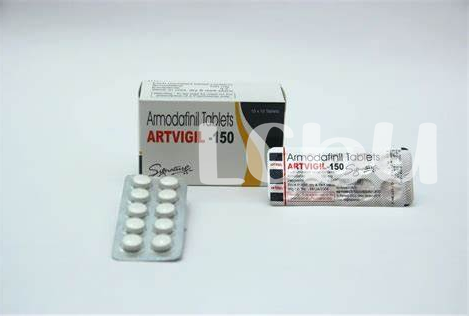
Wakeful mornings begin with a plan: many users take artvigil shortly after waking to align peak plasma levels with morning tasks, typically avoiding doses later than early afternoon to prevent sleep disruption. Start with a conservative dose to observe onset and duration, then adjust timing rather than amount. Note interactions with caffeine can amplify alertness but also jitter, so stagger intake.
For peak cognitive windows like study or work sprints, aim to dose 60–90 minutes beforehand when possible. If naps or late meetings are expected, consider lower doses or skipping a dose entirely. Track sleep quality and daytime energy over several days to establish a personalized schedule that maximizes benefit and minimizes nighttime interference. Consistently.
Lifestyle Factors and Supplements That Modify Effects
Small daily choices reshape artvigil’s profile: restless nights amplify alertness but impair later cognition, while regular sleep, brief naps and light exposure preserve clarity. Moderate caffeine can enhance focus; excessive intake, combined with the drug, often causes jitteriness and anxiety.
A quick reference shows common interactions:
| Substance | Interaction |
|---|---|
| Caffeine | Synergy; raises anxiety |
| L-theanine | Smooths stimulation |
| Melatonin | Opposes wakefulness at night |
| Alcohol | Adds sedation and risk |
Hydration, regular meals and brisk exercise moderate effects and reduce side effects. Track mood, sleep quality and any medication changes. Discuss contraception efficacy and enzyme-inducing drugs with a clinician before combining; seek medical advice for persistent insomnia, palpitations or severe anxiety. Do not drive if impaired; monitor blood pressure regularly.
Safety Tips, Side Effects, and When to Consult
When trying a wakefulness-promoting medicine, start at the lowest effective dose and keep a simple log of sleep, appetite, mood, and blood pressure. Small changes over weeks can reveal tolerance, rebound fatigue, or cardiovascular effects.
Be alert for serious warning signs: skin rash, high fever, chest pain, shortness of breath, suicidal thoughts, or sudden mood changes require immediate medical attention. Keep a copy of your medication list and inform emergency contacts about possible adverse reactions. Document timing and dose each day. Less severe effects like headache, dry mouth, nausea, or insomnia often abate but merit dose adjustment.
Discuss concurrent medications (especially hormonal contraceptives, anticoagulants, and CYP3A4 substrates), alcohol use, pregnancy plans, and preexisting heart or psychiatric conditions with a clinician before combining substances. If in doubt, stop the drug and seek prompt medical advice. PubChem: Armodafinil PubMed review on armodafinil