
 Atarax and Allergic Reactions: Effective Treatment?
Understanding Atarax: What Is It and How It Works
Atarax, also known by its generic name hydroxyzine, is a first-generation antihistamine primarily used to treat anxiety and related allergic reactions. Originally developed to manage anxiety and tension, its potent antihistamine properties make it effective in controlling allergy symptoms. When taken, Atarax blocks H1 receptors in your body, reducing the action of histamine—a substance responsible for allergic symptoms.
| Aspect | Description |
|---|---|
| Generic Name | Hydroxyzine |
| Primary Uses | Anxiety, Allergic Reactions |
| Mechanism | Blocks H1 receptors |
Its therapeutic effects extend beyond calming allergic reactions, offering sedation and reducing itchiness. This multi-functional approach positions Atarax as a versatile medication in both mental and physical health spheres.
Common Causes and Symptoms of Allergic Reactions

Allergic reactions can be triggered by a variety of elements, including food, insect stings, medications, and environmental factors like pollen and dust. When exposed to allergens, the body’s immune system overreacts, leading to symptoms that range from mild to severe. Common symptoms include itching, hives, swelling, and in more severe cases, anaphylaxis— a potentially life-threatening reaction.
Atarax serves as an effective solution by blocking histamine, a substance produced by the body during an allergic reaction. This alleviation of symptoms provides substantial relief and helps individuals regain normalcy in their daily lives. Understanding what triggers these allergic reactions and recognizing the symptoms can be crucial in seeking timely treatment with Atarax. This ensures that minor discomforts do not escalate into severe medical conditions.
How Atarax Alleviates Allergy Symptoms
Atarax, known generically as hydroxyzine, operates as an antihistamine, effectively countering the body's allergic response by blocking histamine receptors. When an allergen triggers the immune system, histamine is released, causing symptoms like itching, swelling, and rashes. Atarax mitigates these responses, providing relief from discomfort and irritation.
In addition to its antihistamine properties, Atarax possesses sedative effects, which can help alleviate the anxiety and restlessness that often accompany severe allergic reactions. This dual action not only addresses the physical symptoms but also promotes a sense of calm.
Furthermore, Atarax assists in reducing dermatological issues such as hives and eczema, both commonly associated with allergic reactions. This comprehensive approach makes Atarax a versatile choice in managing allergy symptoms effectively.
Dosage and Administration Guidelines for Atarax
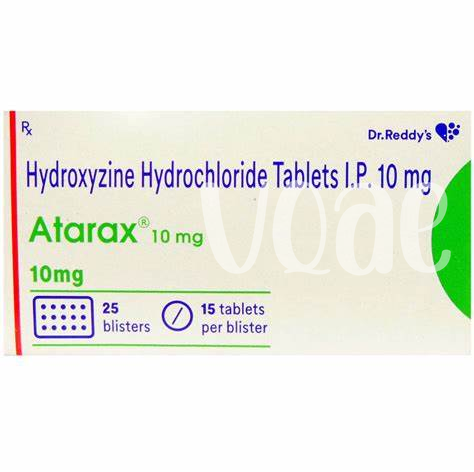
When incorporating Atarax into your allergy management plan, it's essential to follow specific dosage and administration guidelines to optimize its benefits. Typically, Atarax is prescribed in a dosage that varies depending on the severity of the allergic reaction and the patient's overall health status. Adult patients might be advised to start with an initial dose of 25 mg taken three to four times daily. Meanwhile, pediatric dosing should be carefully determined by a healthcare professional based on the child's weight and age.
Atarax is generally administered orally in tablet or syrup form, making it a versatile option for both adults and children. Consistent medication timing is crucial to maintain stable antihistamine levels in your bloodstream, thereby providing continuous allergy symptom relief. Taking Atarax with or without food does not significantly impact its effectiveness, allowing greater flexibility in daily routines.
Patients should always adhere to their prescribing doctor's recommendations and never self-adjust their dosage. Suddenly altering your dosage or abruptly discontinuing Atarax can lead to suboptimal treatment outcomes or unintended side effects. For any uncertainties regarding your dosage or administration, consulting a healthcare provider can ensure a safe and effective allergy treatment regimen.
Potential Side Effects and Precautions
Atarax, while an effective treatment for allergic reactions, comes with potential side effects that users should be aware of. Common side effects include drowsiness, dry mouth, and dizziness, which can affect daily activities and overall well-being. Some individuals might also experience gastrointestinal issues such as nausea or vomiting. It's crucial to monitor these symptoms and consult a healthcare provider if they persist or worsen.
Additionally, caution is advised when taking Atarax, especially for individuals with pre-existing health conditions such as glaucoma, cardiovascular disease, or respiratory disorders. Interactions with other medications can also pose risks, making it important to disclose all current medications to your doctor. Below is a summary of key points:
| Side Effect | Details |
|---|---|
| Drowsiness | Can impair daily activities |
| Dry Mouth | May cause discomfort |
| Dizziness | Affects balance and coordination |
| Gastrointestinal Issues | Includes nausea and vomiting |
Comparisons: Atarax Vs. Other Allergy Treatments
When comparing Atarax to other allergy treatments, it stands out due to its dual ability to both mitigate allergy symptoms and provide anxiolytic effects. Unlike common antihistamines like cetirizine or loratadine, which are primarily designed to block histamines, Atarax's unique mechanism targets the central nervous system, offering a calming effect that other antihistamines lack. This makes it particularly beneficial for patients who experience stress or anxiety alongside allergic reactions.
Additionally, Atarax differs from corticosteroids, which although effective, come with a higher risk of long-term side effects such as weight gain and high blood pressure. Atarax offers a less invasive alternative for managing mild to moderate allergy symptoms without those complications.
However, it’s crucial to note that while Atarax is effective, it can cause drowsiness, a side effect less common in newer, non-sedating antihistamines like fexofenadine. Each treatment has its own set of benefits and drawbacks, making it essential for patients to consult healthcare professionals to determine the most appropriate option based on individual health needs.