
 Clindamycin Resistance: Causes and Prevention Strategies
How Clindamycin Works and Why It Fails
Clindamycin binds the bacterial 50S ribosomal subunit to block peptide-chain elongation, usually halting protein synthesis and limiting bacterial growth. Its lipophilicity enables good tissue penetration, which makes it useful for skin, soft tissue and anaerobic infections. Yet effectiveness depends on target accessibility and local drug concentration.
Resistance emerges through both genetic changes and environmental factors. Methylation of 23S rRNA by erm genes alters the binding site, efflux pumps reduce intracellular drug levels, and enzymatic inactivation or ribosomal mutations also block activity. Biofilms, abscesses, and high bacterial loads further reduce susceptibility.
Clinical misuse—prolonged courses, subtherapeutic dosing, and empirical prescribing without susceptibility data—selects resistant strains. Surveillance and rapid diagnostics can identify emergent resistance, guiding therapy adjustments. Prescribers should weigh local resistance patterns, use narrow-spectrum alternatives when possible, and reserve clindamycin for appropriate indications to preserve its utility and limit collateral selection pressure.
Genetic Mechanisms Driving Resistance Across Bacterial Species

Imagine microscopic battlegrounds where tiny genetic changes decide clinical outcomes. Bacteria commonly evade macrolide lincosamide action by methylating 23S rRNA via erm genes, blocking drug binding. Others carry lnu genes that enzymatically inactivate clindamycin, or msr type efflux pumps that expel the drug. Point mutations in ribosomal proteins and acquisition of resistance plasmids, transposons and integrative elements shuttle traits across species from staphylococci and streptococci to anaerobes and enterococci, turning local resistance into a broader community problem.
Selection pressure from widespread clindamycin use enriches these traits, while co selection on mobile elements links resistance to other antibiotics, complicating therapy. Biofilm growth and clonal expansion amplify persistence, and interspecies transfer accelerates spread. Understanding these genetic routes informs diagnostics and targeted stewardship interventions to limit emergence and preserve therapeutic options.
Bacteria on the Rise Showing Reduced Drug Susceptibility
Clinicians describe a creeping pattern: pathogens once readily subdued are adapting, leaving familiar antibiotics like clindamycin less effective. Community-associated strains of Staphylococcus aureus and certain streptococci now display inducible or constitutive resistance, altering empirical therapy choices. Surveillance reports highlight geographic pockets where standard regimens fail, forcing clinicians to rethink risk assessments and dosing strategies.
Laboratory trends also point to expanding resistance among anaerobic Bacteroides species, Enterococcus faecalis variants, and community Gram-negatives acquiring macrolide-lincosamide-streptogramin resistance genes. The clinical consequence is more frequent treatment failures and prolonged infections, driving demand for rapid diagnostics, susceptibility-guided therapy, and tighter antibiotic stewardship to preserve remaining effective options and protect vulnerable patients from avoidable harm while increasing pressure on hospital resources.
Clinical Impact: Treatment Failures and Patient Safety Risks
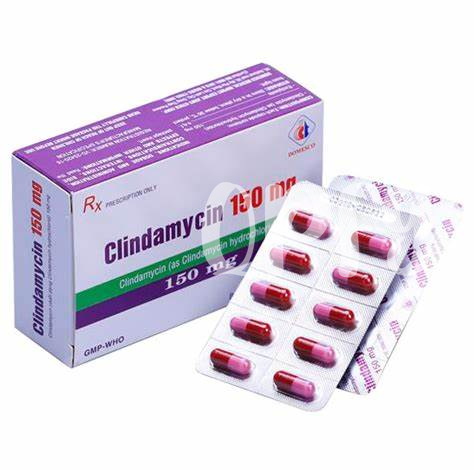
A patient’s simple skin infection can become a cautionary tale when clindamycin loses effectiveness; clinicians watch for stubborn fevers, spreading erythema, or relapse after apparent recovery. Treatment failures lengthen hospital stays, require broader-spectrum drugs, and raise costs while undermining trust in standard regimens.
Patient safety risks extend beyond persistent infection: escalation to intravenous therapy, invasive diagnostics, and increased exposure to side effects, including C. difficile colitis, can follow. Timely culture-guided adjustments and rigorous surveillance help prevent harm, preserve effective options, and protect vulnerable populations from avoidable complications and lower mortality.
Laboratory Detection Techniques and Ongoing Surveillance Priorities
In the lab, cultures and disk diffusion whisper early warnings; PCR and sequencing confirm hidden resistance genes.
Phenotypic D-tests reveal inducible clindamycin resistance, while MIC panels quantify clinical relevance.
Surveillance combines hospital reports, genomic databases and real-time alerts to map spread and guide therapy choices.
Investment in rapid diagnostics, standardized reporting, and international data sharing keeps patients safer and therapies effective.
| Method | Use |
|---|---|
| PCR | Gene detection, rapid |
| Phenotype | Resistance expression, MIC |
| WGS | Surveillance, strain typing worldwide |
| D-test | Detects inducible resistance affecting clindamycin therapy |
| Reporting | Standardized hospital alerts and timely updates |
Prevention Playbook: Stewardship, Hygiene, and Alternative Therapies
Every stewardship story begins with a single prescription: a clinician choosing clindamycin for a presumed skin infection. Choosing the right drug, dose and duration prevents unnecessary exposure and slows emergence of resistant strains.
Robust hospital and community hygiene—handwashing, cleaning surfaces, and isolating contagious patients—reduces spread. Vaccination, proper wound care, and avoiding routine prophylactic antibiotics lower overall selection pressure.
Rapid diagnostics and targeted susceptibility testing let clinicians de-escalate therapy quickly, shortening courses when possible. Clear guidelines and antimicrobial stewardship teams support auditing, feedback and education.
Where appropriate, prioritize local treatments, incision and drainage, or nonantibiotic adjuncts to spare systemic clindamycin. Ongoing surveillance, prescriber training and patient communication create a culture that preserves antibiotic efficacy and resilience. NCBI StatPearls - Clindamycin PubChem - Clindamycin