
 Comparing Diflucan with Other Antifungal Medications
Overview of Diflucan: What It Treats
Diflucan, also known as fluconazole, is a potent antifungal medication that targets a broad spectrum of fungal infections. Often prescribed for conditions like candidiasis and cryptococcal meningitis, it disrupts the cell membranes of fungi, inhibiting growth and replication. This versatile drug stands out for its oral formulation, providing convenience and accessibility for patients. Moreover, Diflucan is an ally in managing systemic infections, offering a therapeutic option for individuals fighting off pervasive fungal invaders. Navigating the landscape of antifungal treatments, Diflucan remains a cornerstone in medical practice.
| Condition | Treatment Utility |
|---|---|
| Candidiasis | Effective in treating yeast infections and oral thrush |
| Cryptococcal Meningitis | Used in the management of fungal meningitis |
Comparing Mechanisms: How Antifungals Work
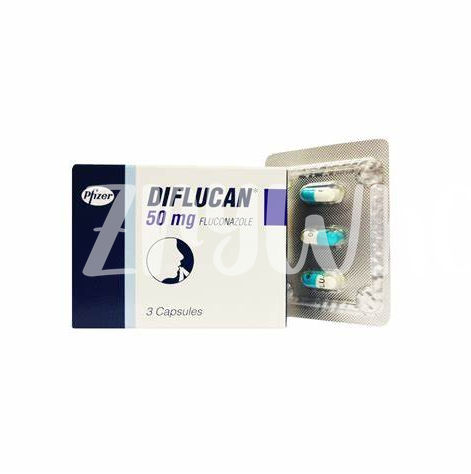
Diflucan, or fluconazole, is renowned for its ability to treat fungal infections by targeting the fungal cell membrane. It works by inhibiting the enzyme lanosterol 14α-demethylase, crucial in converting lanosterol to ergosterol, a key component of the fungal cell membrane. This disruption leads to cell death, effectively treating infections like cryptococcal meningitis and candidiasis.
In contrast, other antifungal medications employ diverse mechanisms. For instance, amphotericin B binds directly to ergosterol, creating pores in the cell membrane that lead to leakage of cellular contents. Echinocandins, such as caspofungin, inhibit β-glucan synthesis, another vital component of the fungal cell wall. Each antifungal's unique approach underlines the importance of understanding these mechanisms, as they influence factors like drug resistance and side effect profiles, guiding the choice of a suitable treatment.
Side Effects: Diflucan Versus Other Options
When it comes to antifungal medications, diflucan is often a go-to choice for conditions like yeast infections. However, like all medications, it comes with its own set of side effects. Commonly reported issues with diflucan include headaches, nausea, and abdominal pain, which are generally mild. But how do these stack up against other antifungal options?
Comparatively, medications like ketoconazole and itraconazole may induce more severe side effects, such as liver toxicity or hormonal imbalances. These can be daunting for patients seeking a straightforward treatment experience. Meanwhile, topical antifungals, while potentially less effective for systemic infections, often offer fewer systemic side effects, such as liver issues.
Thus, while diflucan remains popular for its convenience and effectiveness, the decision to use it should be balanced against these potential side effects and discussed thoroughly with a healthcare provider. The key is to weigh the benefits and risks for each patient to achieve the best possible outcome.
Dosage Differences and Treatment Duration
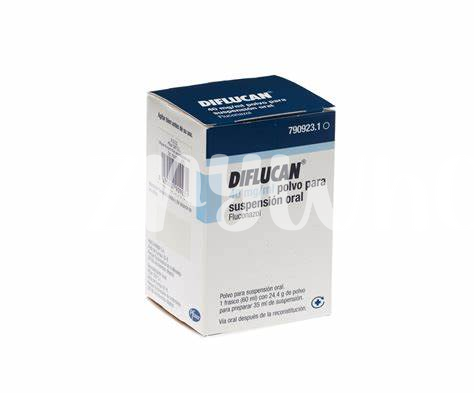
When considering the role that Diflucan plays, it's crucial to understand why its dosing regimen stands out. Diflucan, a well-known antifungal, typically requires less frequent dosing, thanks to its long half-life, allowing once-daily administration. This ease of use can significantly improve patient compliance compared to other antifungals, which may demand multiple doses per day. In terms of treatment duration, Diflucan often necessitates shorter courses for specific infections, such as vaginal candidiasis, compared to others like terbinafine for nail infections, which are more prolonged.
This streamlined dosing contrasts with medications like ketoconazole or itraconazole, which often require careful monitoring and may be taken with food to enhance absorption. While effective, these alternatives might need a longer course to achieve the same outcome, especially in the case of persistent infections. Ultimately, Diflucan's dosing flexibility and potentially reduced treatment length make it an attractive option for both patients and healthcare providers, providing effective relief with more convenience.
Cost Analysis: Diflucan Compared to Alternatives
Navigating the labyrinth of antifungal treatments involves not just understanding their biological impact but also the financial footprint each medication leaves behind. Diflucan, a well-known player in this arena, often competes with other antifungal options like ketoconazole and itraconazole, both in effectiveness and price. The cost of Diflucan can be an influencing factor, especially when insurance coverage varies widely and generic versions present more affordable options.
| Medication | Average Cost (per dose) |
|---|---|
| Diflucan (Fluconazole) | $15 - $30 |
| Ketoconazole | $10 - $20 |
| Itraconazole | $20 - $40 |
For patients and healthcare providers, these price variables become significant when long-term treatment courses are necessary, with Diflucan's cost-effectiveness occasionally overshadowed by its more economical counterparts. Yet, the value derived often correlates directly with the severity and type of infection being addressed, nudging the choice beyond merely a price tag.
Efficacy: Measuring Success Rates in Treatment
When considering the efficacy of Diflucan relative to other antifungal treatments, it's crucial to evaluate the success rates across a spectrum of infections. Diflucan, well-known for addressing yeast infections, shows high efficacy in tackling uncomplicated cases of candidiasis. Studies have highlighted its strengths, especially when compared to topical antifungal creams, demonstrating swift symptom relief and higher patient compliance due to its oral administration.
Conversely, for systemic fungal infections, comparing data reveals that certain azoles such as itraconazole or broader-spectrum agents like amphotericin B may offer superior effectiveness in complex scenarios. However, they come with their own set of challenges. Therefore, understanding the success rates involves balancing infection severity, patient response, and potential resistance patterns.