
 Ivermectin Resistance: Emerging Threats in Parasites
Molecular Mechanisms Driving Antiparasitic Drug Resistance Emergence
In the lab, microscopic survivors whisper clues about why treatments fail: single nucleotide changes in receptor sites reduce binding, while altered channel gating diminishes drug effects. Darwinian selection amplifies these rare variants under treatment pressure.
Other strategies include upregulated efflux pumps and enhanced metabolism that neutralize drugs before they reach targets. Subtherapeutic dosing from poor access, counterfeit Generics, or improper Rx use speeds resistance across communities.
Molecular plasticity also involves gene amplification, compensatory mutations that restore fitness, and epigenetic shifts that transiently protect parasites. Mobile genetic elements and cross-species exchanges can seed resistance beyond local populations.
Understanding these mechanisms guides diagnostic markers, stewardship and drug design to block evolutionary paths.
| Mechanism | Impact |
|---|---|
| Target mutation | Loss of binding |
| Efflux pump | Lower intracellular drug |
| Gene amplification | Restored fitness |
| Epigenetics transient protection | Mobile element spread |
| Subtherapeutic dosing drives selection | Global transmission |
| Surveillance need |
Global Spread Patterns and Hotspots of Resistant Strains
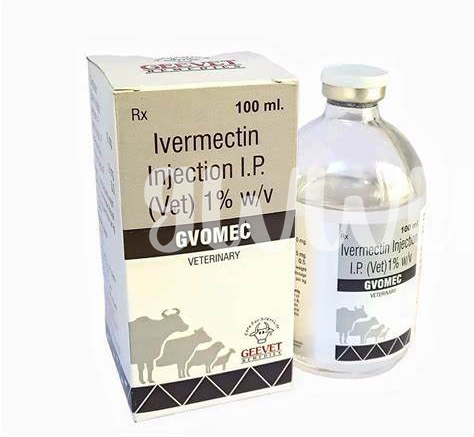
In recent years, resistant parasite lineages have leapt across continents, driven by human travel, livestock trade and ecological change. Local outbreaks often radiate from hubs where diagnostics lag, creating stealthy corridors of spread. Ivermectin pressure selects for survival traits that hitchhike with mobile host populations.
Mapping shows hotspots cluster in regions of intensive farming, high treatment frequency and porous borders. Environmental reservoirs and wildlife amplify dissemination, while weak surveillance masks emergence until resistance becomes entrenched. Genomic surveillance, combined with travel and trade data, pinpoints source-sink dynamics and prioritises containment actions at critical nodes.
Success depends on timely diagnostics, equitable access to effective therapeutics and supply integrity — Cold Chain failures or inconsistent dispensing by a Pharm Tech can accelerate mismanagement. Community engagement and coordinated policy across borders reduce spread, buy time for alternative drugs and protect livelihoods and sustain food security.
Diagnostic Challenges: Detecting Resistance Early in Populations
Early detection is a race against time, where subtle shifts in treatment failure hint at looming resistance. Surveillance often lags, delaying action.
Field surveys struggle with inconsistent sampling and limited lab access; molecular assays are sensitive but scarce in rural clinics, and quality assurance programs are sparse.
Confounding factors, poor adherence, counterfeit products and temperature breaks in the Cold Chain blur signals that would implicate drugs like ivermectin.
Bridging gaps needs point of care tests, clearer Rx records, and community engagement so outbreaks are spotted Stat and responses are swift.
Clinical and Agricultural Impacts on Health and Livelihoods

Communities face rising clinical burdens as parasites once quelled by ivermectin become harder to suppress; treatment failures mean longer illness, more secondary infections and stresses on clinics where a Pharm Tech juggling limited resources often triages care.
On farms, resistant helminths cut weight gain, milk yield and fertility, eroding incomes and food security as herders double dosing or resort to unregulated Rx sources, sometimes worsening selection for resistance.
Cold Chain gaps and scarce diagnostics delay detection, raising surveillance costs and forcing integrated responses combining targeted deworming, education and economic support so livelihoods can withstand this unfolding threat. Farmers and clinicians need training, affordable alternatives and policies that curb misuse to sustain both health and income.
Stewardship Strategies and Integrated Control to Slow Resistance
Clinicians and farmers must adopt coordinated practices to extend drug lifespans, using targeted treatments, monitoring and education to limit unnecessary mass dosing of ivermectin and other agents. Stewarded use of an Rx - Prescription, rotation of classes, and refugia conservation slow selection; community engagement and data sharing create early warning systems that make resistance visible before clinical failure.
Integrated surveillance pairs field sampling with rapid diagnostics, incentivized by policy, training and supply chain integrity: Cold Chain management and recordable dispensing reduce misdosing. Below is a brief snapshot.
| Action | Benefit |
|---|---|
| Targeted dosing | Reduced selection |
| Farmer training | Improved compliance |
Innovative Therapeutics and Research Priorities for Future
New drug candidates should be framed as stories: molecular insights guide designs that outmaneuver resistance while preserving safety and global access equity.
Platform technologies and high-throughput screens accelerate leads; repurposing approved Generics and smart Rx combinations reduce development time and real-world risk with oversight.
Breakthroughs in biologics, gene editing and microdosing demand better delivery and storage solutions; Cold Chain resilience and field-ready diagnostics matter for impact.
Funders must prioritize translational pipelines, global surveillance networks and community engagement; collaborative data sharing and ethical trials will shape durable solutions with urgency now.