
 Lexapro and Weight Gain: Separating Myth from Fact
Understanding Lexapro: What Is This Popular Ssri?
Lexapro, known by its generic name escitalopram, has become a household name in the world of mental health medication. As a selective serotonin reuptake inhibitor (SSRI), it works by boosting serotonin levels in the brain—a neurotransmitter linked to mood regulation. By enhancing serotonin activity, Lexapro helps relieve symptoms of depression and anxiety, allowing many people to reclaim a sense of balance in their daily lives.
Because it tends to have milder side effects compared to older antidepressants, Lexapro is often favored by doctors. Its trusted reputation and effective results have made it a go-to prescription for millions dealing with emotional turmoil or overwhelming stress.
| Lexapro Brand Name | Generic Name | Category | Main Use |
|---|---|---|---|
| Lexapro | Escitalopram | SSRI Antidepressant | Depression, Anxiety |
Debunking Common Myths about Lexapro and Weight
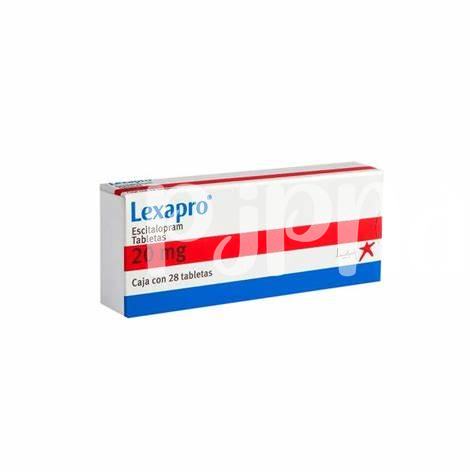
When people first hear about Lexapro, one of the most persistent rumors is that everyone who takes it will inevitably gain a significant amount of weight. This perception can cause anxiety for those considering treatment. However, the reality is more nuanced. While some people may notice weight changes, the vast majority of Lexapro users have minimal to no impact on the scale. Sweeping generalizations often stem from personal stories or misconceptions rather than science.
Another widespread myth is that Lexapro directly causes uncontrollable cravings or fat accumulation. In truth, multiple factors contribute to weight changes on any antidepressant, not just Lexapro. Lifestyle, genetics, existing medical conditions, and even mood improvement itself can influence appetite and weight. It's important to approach these concerns with balanced information, not fear-driven assumptions.
What the Science Really Says about Weight Gain
Clinical research provides a nuanced picture when it comes to Lexapro and weight gain. Large-scale studies reveal that while some people may notice mild weight increases—usually during extended use—these changes are neither universal nor inevitable. The average weight gain is generally less than five pounds over several months, with many users experiencing little or no fluctuation at all.
It’s important to understand that the relationship between Lexapro and weight isn’t straightforward. Scientists believe that any potential weight gain may be linked more to metabolic changes, lowered energy, and shifts in appetite than to any direct effect of the medication itself. Not everyone responds in the same way, and some even report weight loss during treatment.
Ultimately, if you’re concerned about weight changes while taking Lexapro, rest assured that science suggests the risks are often overstated. Individual factors, lifestyle habits, and ongoing support all play a significant role in your experience.
Factors That Influence Weight Changes on Lexapro

While some people on Lexapro notice their weight shifts, the reasons are often more complex than they first appear. Age, metabolism, and even genetics can all play a part in how the body responds to this SSRI.
Lifestyle factors—like changes in appetite and physical activity—sometimes shift subtly after starting Lexapro, influencing weight in either direction. Additionally, pre-existing medical conditions or other medications might amplify these effects.
Individual brain chemistry also matters; Lexapro can interact differently with each person’s neurotransmitters, affecting mood and hunger signals.
Ultimately, understanding these overlapping influences can empower users to approach weight management with more awareness and less anxiety during treatment.
Real-life Experiences: Stories from Lexapro Users
For many people prescribed Lexapro, the journey is marked by unique experiences. Some users report little to no change in their weight, crediting healthy routines and mindful eating as helpful companions. Meanwhile, a few share stories of modest weight gain within the first few months, often noticing the pounds creep up subtly.
Others describe fluctuations that evened out as their bodies adjusted to the medication. Online mental health communities feature individuals who found positive emotional relief and valued the improvement in their mood more than minor weight changes.
While anecdotes vary, most users agree that open communication with healthcare providers made a significant difference. Providers can help troubleshoot side effects and support long-term wellness goals.
| User Experience | Weight Change Noted |
|---|---|
| Improved mood, no weight change | None |
| Mild weight gain, managed with exercise | 2-5 lbs |
| Initial gain, then stabilizes | 5-7 lbs (then stable) |
Tips to Manage Weight While Taking Lexapro
Staying active through regular walks, exercise classes, or even gentle yoga can help offset any changes on the scale, while also lifting your mood. Consider keeping a food journal to track your meals and snacks; sometimes, increased appetite can sneak up while adjusting to medication. Cultivating balanced meals with plenty of whole grains and lean proteins ensures you feel full and energized, making it easier to avoid high-calorie temptations while your body settles into its new routine.