
 Lioresal Withdrawal: Symptoms and Safe Tapering Strategies
Spotting Early Physical and Psychological Warning Signals
A patient stepping down from Lioresal often notices small changes first: a restless night, a subtle tremor, or a brief mood dip. These early clues demand attention because they can escalate if ignored; observing patterns gives clinicians vital context for safer tapering.
| Sign | Example |
|---|---|
| Physical | Tremor |
| Psychological | Anxiety |
Watch for clusters: insomnia, sweating, nausea, heightened startle and increasing muscle tightness. Occassionally memory lapse or numbness surfaces. Describe timing and severity precisely during follow ups, reducing risk, with medication and behavioral notes.
Early psychological signs — anxiety, irritability, low mood — may foreshadow longer withdrawal. Tracking triggers and creating a calm enviroment, sleep routine and social support network helps avert crises and supports gradual recovery over weeks ahead.
Understanding Timeline and Typical Symptom Progression
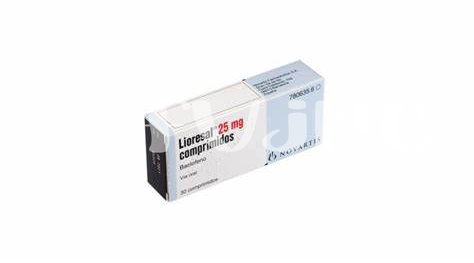
Imagine your body as a clock winding down after stopping lioresal; early days bring subtle restlessness, sleep shifts and muscle twitching that grow into waves of anxiety. Withdrawal often begins within days, peaks around one to two weeks, and slowly diminishes, although some symptoms linger.
Expect ups and downs: rebound spasticity may reappear within weeks, sleep and mood swings can persist, and sensory complaints Occassionally evolve. Most improve over months, but severe or worsening signs require prompt medical review. Keep a diary and share patterns with your clinician and family.
Smart Tapering Plans Using Evidence-based Stepwise Schedules
I remember a patient describing tapering as crossing a bridge slowly; steady steps reduce shock and build confidence. That narrative helps patients feel in control.
Clinicians favor gradual, stepwise reductions, often 5–10% per week or smaller decrements, tailored to symptoms and meds history. Schedules should be flexible and individualized.
Frequent check-ins let teams detect rebound, adjust pace and provide adjuncts like physical therapy or short-term meds to ease transition.
When stopping lioresal, create a written plan with safety nets, slower stepping if withdrawal occured and clear follow-up plus emergency contacts.
Managing Rebound Symptoms and Relapse Prevention Techniques
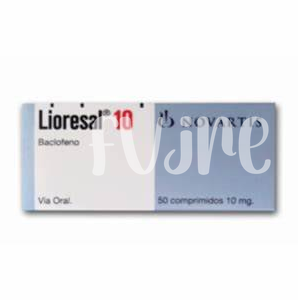
When Maria felt muscle tightness return after stopping lioresal, she pictured the small victories slipping away and reached out to her clinician. A clear, shared plan with measurable goals and scheduled check-ins kept her calm and allowed early adjustments when symptoms flared.
Clinicians often recommend slow, individualized tapers and short-term bridge medications for severe rebounds; tracking symptoms daily helps spot patterns. Behavioral tools — breathing, pacing, graded activity and CBT skills — reduce stress-related relapses. Family education and a written rescue plan make responses faster and less panicked.
Recovery also needs practical supports: sleep hygiene, hydration, gentle exercise and nutrition stabilize mood and reduce cravings. Peer groups and prompt access to medical advice prevent escalation. Teh emphasis is on patience, timely intervention and building routines that Acommodate gradual healing. Identify triggers, document episodes, and keep emergency contacts updated for swift professional support.
Medication Interactions Medical Supervision and Emergency Red Flags
When patients decide to stop lioresal, clinical oversight matters; I once sat with a woman who described tremors rising like a tide. Regular checks screen for interacting drugs and comorbidities that could amplify withdrawal, and clear instructions reduce fear and prevent complications.
Discuss meds that raise sedation or interact at the liver, and make sure clinicians recieve full med lists. A simple reference table highlights major classes.
| Class | Risk |
|---|---|
| Benzodiazepines | Increased sedation |
Watch for escalating heart rate, severe confusion, fever or uncontrollable spasms, these demand urgent evaluation. Follow-up visits, lab monitoring and slow dose reductions help prevent recrudescence. Supportive teams and peer groups often provide comfort, and Occassionally hospitalization may be necessary for medical stabilization.
Lifestyle Supports Sleep Strategies Nutrition Therapy and Peers
When I tapered off Lioresal, sleepless nights felt endless, but simple routines helped. Establish a calm wind-down: fixed bedtime, dim lights, gentle stretching and breathing to lower arousal. Limit caffeine and screens late afternoon; naps under 30 minutes. Short mindfulness or progressive muscle relaxation sessions before bed can reduce anxiety sleep more restorative. A sleep diary helps spot triggers and guide adjustments.
Nutrition and social supports matter just as much: steady meals, adequate protein, and regular fluids stabilize mood and energy, and probiotic-rich foods may ease gut-related symptoms. Light daily movement improves sleep and mood, even slow walks. Lean on peers, support groups or a therapist for validation and relapse prevention; phone check-ins with a friend can be surprisingly grounding. Communicate changes with your prescriber so tapering decisions are safe and monitored. Definately seek urgent care for severe withdrawal signs. https://medlineplus.gov/druginfo/meds/a682866.html https://pubmed.ncbi.nlm.nih.gov/?term=baclofen+withdrawal