
 Tapering Neurontin Safely: What to Expect
Why a Planned Taper Beats Cold Turkey
Facing the idea of stopping gabapentin can feel like stepping off a cliff; a planned taper turns that cliff into a gradual path, easing anxiety and honoring the brain’s need to adjust. Rather than abrupt chemical shock, slow dose reductions let receptors recalibrate and lower the intensity of rebound symptoms.
Clinically, tapering reduces risks such as severe withdrawal seizures, marked insomnia, and intense sensory disturbances. It also gives time to monitor side effects and adapt the schedule if cravings or mood shifts emerge.
On a personal level, patients report greater confidence and sleep continuity during structured tapers; small, predictable changes feel manageable. This approach pairs medical safety with psychological steadiness, improving chances of successful transition.
| Benefit | Why it matters |
|---|---|
| Reduced withdrawal | Allows gradual brain adjustment |
Working with Your Doctor to Personalize Schedule
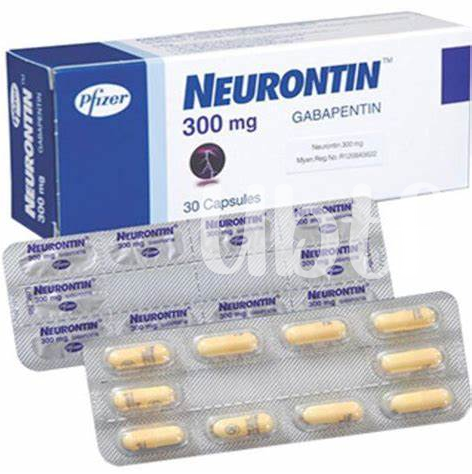
Describe your neurontin dose, how long you've taken it, and any withdrawal experiences. A clinician will consider your medical history, other prescriptions, and risk factors to choose whether to reduce by percentage, fixed milligrams, or pause-free intervals. Collaboration builds trust.
Expect gradual adjustments: common approaches trim 10–25% of the dose every one to four weeks, but faster plans suit patients. Regular follow-ups let you report symptoms and allow the team to slow the taper if sleep, mood, or seizures worsen.
Bring a medication list, seizure diary if applicable, and any questions to appointments. If side effects appear, adjustments are common; honest communication helps keep withdrawal safe, tailored, and more tolerable as you wean off neurontin.
Typical Withdrawal Timeline What Symptoms May Appear
When you first reduce neurontin, the body often reacts within twenty-four to seventy-two hours. Early signs can be subtle — sleep disruption, dizziness, nausea, or a creeping sense of restlessness. These initial shocks are usually short-lived.
By the end of week one, others notice increased anxiety, heightened pain sensitivity, and flu-like aches. Some people report vivid dreams, sweating, or tingling sensations. Symptom intensity varies with dose and how fast the taper proceeds.
Between weeks two and eight, mood swings and low energy commonly surface; some experience tremors, lightheadedness, or gastrointestinal upset. These problems generally ease as the nervous system recalibrates, though setbacks can occur.
Most people see steady improvement by two to three months, though mild sensations may linger. If symptoms worsen abruptly, such as suicidal thoughts or profound impairment of daily life, contact your clinician for adjustment, support, and guidance.
Practical Tips to Reduce Discomfort during Taper
When I first reduced neurontin, small rituals steadied me: morning stretches and a predictable schedule. Keeping routines helped stabilize sleep and mood, often shaky during tapering.
Split doses as your clinician recommends and use a pill organizer to avoid missed or extra doses. Gradual reductions reduce rebound pain or seizures and make symptoms easier to manage.
Hydration, balanced meals, and light exercise—walks or yoga—support nervous system recovery. Consider sleep hygiene, calming breathing exercises, and temporary short-term supports like OTC pain relief after consulting your doctor.
Keep a symptom diary to track progress and share patterns with your provider; adjustments are normal. If anxiety, severe insomnia, or worsening neurological signs appear, contact your care team promptly.
Alternative Therapies and Lifestyle Supports That Help
When tapering off neurontin, small lifestyle changes can feel like steady handrails. Gentle exercise, regular sleep routines and consistent meals stabilize mood and reduce brain hyperexcitability; mindfulness, breathing exercises and progressive muscle relaxation blunt acute anxiety. Social support—trusted friends, support groups or therapy—adds practical accountability and emotional safety when doses fall.
Complementary therapies such as acupuncture, massage and low-impact yoga often ease pain and sleep disturbance during taper, while cognitive techniques help reframe withdrawal-related fear. Keep a simple symptom diary to track patterns and share it with your clinician; gradual adjustments guided by evidence and compassionate self-care make discontinuation more tolerable.
| Support | Benefit |
|---|---|
| Exercise | Mood/stress |
| Mindfulness | Anxiety relief |
| Better sleep tonight | Improves sleep quality |
Safety Red Flags When to Seek Urgent Help
Most people taper Gabapentin without life-threatening problems, but it helps to know when things are out of the ordinary. Sudden, severe confusion, loss of awareness, repeated or prolonged seizures, or new suicidal thinking require immediate attention.
Watch for severe physical signs: fainting, difficulty breathing, chest pain, very rapid heart rate, uncontrollable vomiting or diarrhea, and signs of severe dehydration. Any of these warrant emergency evaluation rather than waiting for a routine appointment.
Intense psychiatric changes can also be urgent: new or worsening psychosis, persistent hallucinations, extreme agitation or panic, or a sudden inability to care for yourself. If thoughts of harming yourself or others appear, act immediately.
When any red flag appears, call emergency services or your prescriber, list current medications and substances, and avoid driving alone. If unsure, err on the side of prompt medical assessment and support now.