
 Paxil Dosage Guide: Finding the Right Balance
Understanding Paxil: How It Works and Effects
When therapy felt distant, many find Paxil bridges the gap, subtly reshaping brain chemistry to ease anxiety and depression. It increases serotonin availability, gently stabilizing mood over weeks for recovery.
Initial effects may appear within one to two weeks, though full benefits often require six to eight weeks. Common improvements include reduced worry, clearer thinking, and gradually better sleep patterns.
Response varies: dose, genetics, and other medications shape outcomes. Regular follow-up with a clinician ensures dose adjustments, monitors side effects, and balances benefits against potential risks for safe long-term use.
| Action | Typical timeline |
|---|---|
| Blocks serotonin reuptake | 1–8 weeks |
Starting Paxil: When to Begin and Expectations

When anxiety or depression starts to interfere with daily life, many patients and clinicians consider an antidepressant. Deciding to begin paxil usually follows a thorough evaluation, discussion of symptoms, medical history, and treatment goals.
Expectations in the first weeks should be realistic: some side effects can appear quickly, while mood improvements often emerge after several weeks. Regular follow-up lets your clinician adjust dose, monitor response, and address concerns. Older adults and people with certain medical conditions may start at lower doses, and interactions with other drugs or alcohol should be reviewed beforehand.
Starting is a shared decision—ask about alternatives, expected timelines, and strategies for managing early reactions. Keep a simple symptom diary and report new or worsening effects promptly to ensure safe, effective care. Be patient; meaningful change often requires commitment and close communication with your prescriber and emotional support.
Safe Titration: Finding a Personalized Dose Pace
Starting paxil can feel like steering a small boat into open water: move deliberately, check instruments, and watch the horizon. Begin with the lowest recommended dose, allow several weeks to assess mood and side effects, and keep a daily log of changes and sleep patterns.
Discuss titration plans with your clinician before adjusting; small increments and modest intervals reduce risk. If side effects surface, pause or revert and reassess support options. Personalized pacing balances symptom relief and tolerability, evolving as your body adapts and life circumstances change over time safely.
Side Effects: Recognizing and Managing Common Reactions
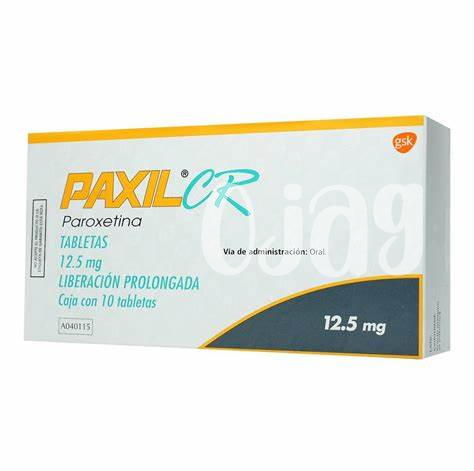
When starting paxil, many people notice early changes—nausea, drowsiness, or sleep disturbances. These reactions often appear within days and usually ease as the brain adjusts, but tracking them helps distinguish temporary discomfort from persistent problems.
Simple measures can reduce impact: take medication with food to limit stomach upset, schedule doses to align with sleep patterns, and stay hydrated. Communicate bothersome symptoms to your clinician; they may adjust dose, timing, or suggest symptom-targeted remedies.
Watch for severe signs such as chest pain, an irregular heartbeat, suicidal thoughts, or allergic reactions. Immediate medical attention is essential for these rarer but serious events. Keeping a symptom diary empowers safer, more personalized care. Always consult prescriber before making changes.
Interactions and Precautions with Other Medications
Imagine a conversation between your pharmacist and a careful traveler: they map out how paxil might combine with other pills, herbs, or supplements. This narrative highlights practical checkpoints — especially serotonin syndrome risk when mixed with other antidepressants, MAO inhibitors, triptans, or certain pain medications. Ask about OTC cold remedies, grapefruits, or St. John’s wort; sometimes the smallest addition changes how your body processes medication.
Keep a current medication list and share it with every clinician; dosing adjustments may be needed, and blood tests can inform liver enzyme interactions. Never stop or add drugs abruptly. If side effects or unusual symptoms appear, contact your prescriber immediately so they can reassess therapy, suggest safer alternatives, or schedule a careful taper if discontinuation becomes necessary.
| Guide | ||
|---|---|---|
| MAOI | Selegiline | serotonin risk |
| NSAID | Ibuprofen | bleeding risk |
| Herb | St Johns | wort |
| SSRI | Paxil | interaction caution |
Stopping Paxil: Tapering Strategies and Withdrawal Awareness
Ending Paxil can feel like stepping off a moving walkway—gentle planning makes the transition steadier. Discuss timing with your prescriber, considering treatment response, duration, and life stressors. Timing matters, especially after long-term use.
Safe tapering typically reduces dose slowly over weeks or months; abrupt stops raise the risk of withdrawal symptoms like dizziness, flu-like sensations, irritability, and sleep disturbance.
Your clinician may suggest small decrements (for example, 10–25%) and longer intervals when symptoms occur. Shared decision-making and symptom tracking guide adjustments and rescue strategies, and consider counseling early on.
If withdrawal emerges, report it early; some patients benefit from temporary dose increases, slower tapering, or switching to a longer-acting SSRI. Reliable info: NHS FDA label