
 Managing Prograf Side Effects: Tips and Strategies
Understanding Prograf: Commonly Experienced Side Effects
Prograf, known generically as tacrolimus, is a powerful immunosuppressant used primarily to prevent organ rejection post-transplant. However, it comes with a range of side effects that patients must be aware of. These include gastrointestinal issues such as nausea and diarrhea, and more severe ones like nephrotoxicity which can lead to kidney damage. Patients may also experience "hangover" symptoms, including headaches and dizziness, making it essential to follow the Sig on the Rx closely.
To navigate these side effects, it's crucial to have regular Meds Checks with your healthcare provider and monitor any new symptoms. Understanding the significance of each symptom can help you communicate effectively during these appointments, ensuring that adjustments can be made stat if necessary. Here’s a quick breakdown of common side effects:
| Side Effect | Description |
|---|---|
| Gastrointestinal Issues | Nausea and diarrhea |
| Nephrotoxicity | Kidney damage |
| CNS Effects | Headaches and dizziness |
Healthy Diet: Mitigating Prograf-induced Gastrointestinal Issues
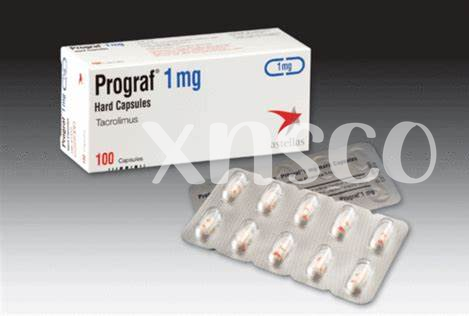
Navigating gastrointestinal issues due to Prograf can be quite the challenge, but a healthy diet plays a pivotal role in mitigating these side effects. Incorporate high-fiber foods like vegetables, fruits, and whole grains into your meals to help keep things moving smoothly and prevent the dreaded "ghost tablet" phenomenon, where undissolved pills pass through your system. Lean proteins and probiotics, such as yogurt, can aid in soothing your stomach and maintaining a balanced gut flora. Steer clear of greasy or spicy foods that could potentially exacerbate your symptoms, making your gut feel like it's gone through a "Pharmageddon." Remember, each bite you take is like following a "sig" on your script, tailoring your intake to support your overall well-being while on Prograf.
Staying Hydrated: Combating Prograf-related Kidney Concerns
Prograf is an essential medication, especially for organ transplant recipients, but it comes with the responsibility of managing kidney-related side effects. Staying hydrated is a crucial step in safeguarding your kidneys while taking Prograf. Aim to drink at least eight glasses of water daily to support kidney function and help flush out toxins. Consistent hydration can mitigate the risk of kidney complications, a common concern for those on this compound medication.
Following the Prograf script, monitor your fluid intake meticulously—especially in warm weather or during periods of increased physical activity. This proactive approach acts as a buffer against dehydration, which can exacerbate kidney issues. Remember to observe the sig on your prescription and maintain regular communication with your healthcare provider.
Moreover, engaging in periodic med rec and check-ups ensures your medication regimen remains effective while minimizing adverse effects. By implementing these hydration strategies, you not only support your kidney health but also enhance your overall wellbeing. Taking these steps can make your journey with Prograf more manageable and less taxing on your kidneys.
Emotional Well-being: Handling Prograf-induced Mood Swings
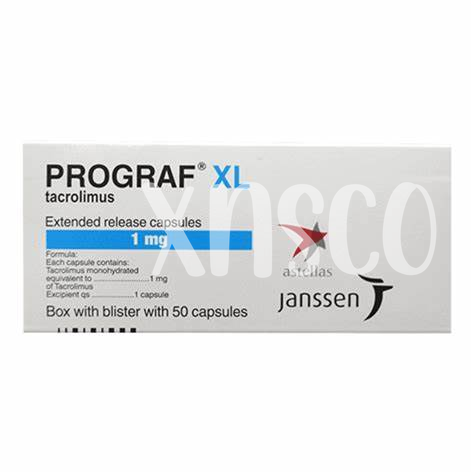
Prograf can sometimes cause mood swings, impacting your emotional well-being. It's crucial to acknowledge these changes and address them head-on. Incorporating "happy pills," like mood enhancers prescribed by your candyman, can stabilize your emotions. However, therapy is also valuable. Participating in counseling or support groups allows you to share experiences and strategies, creating a sense of stability.
Monitoring your emotional health is essential; don't hesitate to seek immediate help if you feel overwhelmed. Forming a routine that includes physical activity can elevate your mood and alleviate stress. Daily activities like walking, meditation, or engaging hobbies can make a significant difference. Maintain open communication with your family and healthcare provider to manage "ghost tablets" of emotional distress effectively.
Sun Safety: Protecting Skin under Prograf Medication
Prograf can make your skin more sensitive to sunlight, increasing the risk of sunburns and potential long-term damage. It’s crucial to follow the directions on your script precisely and take preventive steps when spending time outdoors. Wear broad-spectrum sunscreen with at least SPF 30, and reapply it regularly. Protective clothing such as long sleeves, hats, and sunglasses help shield your skin from harmful UV rays.
Ensuring you stay in shaded areas during peak sunlight hours, typically between 10 a.m. and 4 p.m., can reduce exposure. It might feel inconvenient to constantly protect your skin, but these measures work immediately ('stat') to safeguard against severe sunburns and worsening side effects. Some people find the application of topical elixirs, which soothe the skin, beneficial if any sun exposure occurs.
Regular monitoring of your skin’s condition by your healthcare provider is essential. Follow-up visits allow for adjustments in your treatment plan, if necessary, to better manage any complications. Remember, your 'hard copy' of the prescription may contain additional tips to maintain skin health while on Prograf. Enjoying the sun responsibly can help manage the medication's impact while allowing you the freedom to continue outdoor activities.
```html
| Sun Protection Strategy | Description |
|---|---|
| Sunscreen | Use SPF 30 or higher, reapply often. |
| Protective Clothing | Long sleeves, hats, and sunglasses. |
| Shade | Avoid peak UV hours, stay in shaded areas. |
| Elixirs | Topical treatments to soothe exposed skin. |
| Monitoring | Regular check-ups for skin assessment. |
Regular Check-ups: Monitoring Prograf Impacts and Adjustments
Regular medical check-ups are essential for anyone on Prograf to ensure the medication is functioning correctly and to catch any potential issues early. Regular monitoring helps in adjusting the dose, ensuring it remains in the therapeutic range and minimizing possible side effects. Blood tests and kidney function assessments are crucial components of these appointments. They provide a comprehensive picture of how your body is handling the medication and whether any adjustments in the script are required.
Additionally, discussing any new symptoms or concerns, such as mood swings or skin changes, with your healthcare provider can lead to timely medical interventions. It’s a bit like following the sig on a prescription—following it precisely ensures you’re managing your medication effectively. Furthermore, these check-ups serve as an opportunity to review other medications and avoid potential interactions, creating a safer, well-rounded treatment plan. Don’t forget, precision in monitoring and up-to-date information on your overall health is invaluable when taking such impactful meds.