
 Reglan Interactions: Drugs and Food to Avoid
Why Reglan Interactions Matter: Risks and Reality
Taking Reglan can feel straightforward, but the reality is nuanced: drug interactions can change effectiveness, increase side effects, or cause serious complications. A single added medication may shift how Reglan acts in the body dramatically.
Interactions matter because Reglan affects nervous and digestive systems; combining it with other agents that alter dopamine, serotonin, or gastric motility can amplify risk. Elderly patients and those with heart conditions deserve vigilance from clinicians.
Practical consequences include increased sedation, movement disorders, or altered drug levels that reduce benefit. Many interactions are predictable and preventable with dose adjustment, alternative therapies, or timed spacing between medications and meals for safer use.
Talk openly with your prescriber, share all supplements and OTC drugs, and report new symptoms promptly. Routine reviews and clear instructions about timing and food can turn interaction risks into manageable aspects of care daily.
| Interaction | Potential Effect |
|---|---|
| Antipsychotics/SSRIs | Increased movement disorders or sedation |
| Anticholinergics | Reduced gastric motility, altered absorption |
| CNS depressants/alcohol | Enhanced drowsiness and respiratory risk |
Common Prescription Drugs That Amplify Reglan Effects

Imagine waking to nausea relieved by reglan but told to watch other prescriptions: antipsychotics like haloperidol or risperidone can amplify movement side effects. Combined dopamine blockade raises the risk of tremor, rigidity and acute dystonia.
Some antidepressants—especially strong CYP2D6 inhibitors such as fluoxetine and paroxetine—can raise metoclopramide levels, increasing side effects. Patients and prescribers should flag these combos to avoid unexpected extra sedation or movement disorders.
Levodopa and other Parkinson’s treatments may lose effectiveness when taken with reglan because it opposes dopamine. That interaction can worsen tremor and bradykinesia, so neurologists often adjust dosing or choose alternatives.
Opioids, benzodiazepines and antihistamine sedatives can intensify drowsiness when combined with metoclopramide; combining several CNS depressants increases fall risk. Always review your medication list with your clinician to balance benefit and safety. Carry an updated list and report any new muscle stiffness promptly.
Over-the-counter Medications and Supplements to Avoid
When I first started reglan, even simple pain relievers and antihistamines felt like variables in a chemistry experiment. Small interactions can have big consequences indeed.
Some OTC cold medicines that contain sedating antihistamines or decongestants can amplify side effects or counteract motility benefits.
Antacids and calcium or magnesium supplements may alter absorption timing; separate doses by at least two hours when possible.
Always tell your clinician about herbal remedies like St. John's wort, iron pills, or high-dose vitamin B6; these can change metabolism or raise neurological risks, so review alternatives.
Food Interactions: Meals That Change Reglan Absorption
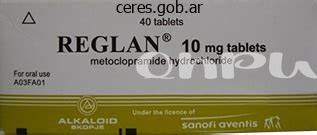
You swallow reglan before breakfast, wondering whether that latte or heavy omelet will change how it works; fats, protein, and delayed gastric emptying can slow or alter absorption, changing onset and intensity of effect dramatically.
To maximize predictable absorption, clinicians often recommend taking it thirty to sixty minutes before meals; large, fatty, or very sugary meals delay stomach transit and may blunt peak concentrations, making symptom control less reliable overall.
High-fiber breakfasts, milkshakes, or calcium-rich foods can bind or sequester medications, reducing absorption; conversely, very light, low-fat meals speed transit. Hydration and portion size subtly shift plasma levels, so consistency matters for dosing and monitoring.
In practice, keep meals similar when you start reglan, note symptoms after different foods, and report patterns to your provider; small timing tweaks—avoiding large meals around doses—often restore steady benefit without changing prescriptions and guidance.
Alcohol, Caffeine and Herbs: Hidden Interaction Dangers
A late-night drink or an extra cup of coffee can feel harmless, but when you’re taking reglan the interactions can be surprising. Alcohol may worsen dizziness and sedation, intensifying side effects; caffeine can amplify jitteriness or counteract motility benefits. Herbal remedies like St. John’s wort, chamomile, or valerian can alter drug levels or add sedation, so caution is essential.
Talk with your clinician about drinking limits, timing of caffeine, and any botanicals; even supplements labeled “natural” can interact. Simple strategies—spacing beverages away from doses, limiting alcohol, and avoiding unproven herbs—reduce risks. If symptoms like tremor, extreme fatigue, or heart palpitations appear, stop the supplement and seek medical advice promptly. Keep a medication diary and share.
| Substance | Potential Effect with reglan |
|---|---|
| Alcohol | Increased sedation, dizziness |
| Caffeine | Heightened jitteriness, altered efficacy |
| Herbal supplements | Variable interactions; altered drug levels |
Managing Interactions: Monitoring, Timing, and Communication Tips
Keep a simple symptom diary and report movement problems, excessive drowsiness, or gastrointestinal changes promptly. Regular appointments let clinicians weigh benefits against risks like tardive dyskinesia. Baseline and follow-up assessments—especially in elderly patients—help detect subtle extrapyramidal signs before they become permanent, and document medication timing.
Time doses around meals—metoclopramide works best about 30 minutes before eating to improve gastric emptying. Stagger other prescriptions when possible and avoid taking multiple dopamine‑blocking drugs together, which can amplify movement disorders. Adjust dosing with renal impairment and review all refill changes with your pharmacist to prevent accidental overlap errors.
Always disclose over‑the‑counter drugs, supplements and herbal remedies—many interact silently. Carry an up‑to‑date medication list, use a single pharmacy when possible, and ask questions about side effects. Seek urgent care for sudden muscle stiffness, high fever, or uncontrollable movements so therapy can be adjusted quickly. MedlinePlus - Metoclopramide FDA - Metoclopramide (label)