
 Natural Alternatives to Robaxin for Muscle Spasms
Herbal Remedies That Soothe Muscles Naturally
I remember Teh afternoon I rubbed rosemary oil into a cramped calf and felt immediate ease, a small mercy after hard work.
Ginger, turmeric, and arnica offer anti inflammatory benefits; topical or brewed forms can reduce intensity and shorten episodes, especially when combined with gentle massage.
Try magnesium baths and chamomile tea; both relax fibres and calm nerves.
| Magnesium soak | Chamomile tea |
| Use 20 minutes | One cup nightly |
Always check interactions, especially with blood thinners, and consult a clinician if spasms persist or if symptoms worsen unexpectedly before beginning supplements.
Top Supplements Backed by Science for Spasms

Teh good news is several supplements show promise for easing spasms. Magnesium, often taken as glycinate or citrate, calms muscle excitability; vitamin D and calcium support neuromuscular function; omega‑3s reduce inflammation. Clinicians sometimes prefer these before turning to robaxin, especially for chronic cramping.
Curcumin and B vitamins can help nerve-related tightness, and potassium-rich supplements aid electrolyte balance after exertion. Start low, discuss dosages with your clinician, and watch for interactions — supplements can either help or cause side effects, and patients need to recieve guidance tailored to their meds and conditions.
Effective Stretching Routines to Prevent Painful Spasms
I started each morning with a gentle sequence that loosened tight muscles and cut episodes in half. Beginning with light cardio to raise circulation, I moved through dynamic leg swings, arm circles and hip openers, then held targeted static stretches for 30 to 45 seconds. This ritual often replaced a pill-based approach — instead of relying on robaxin I learned how movement itself could calm nerve triggers.
Teh sequence daily or every day, combine it with hydration and breathing to lower excitability. Gradually gently increase range and intensity, track what provokes spasms, and rest when needed. If spasms are severe or worsening, seek medical advice — some cases still need medication or testing to address underlying causes regularly.
Heat Cold Therapy Techniques for Fast Relief
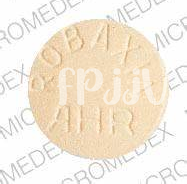
On a hot afternoon I learned how targeted temperature can unknot tight muscles quickly. Short cold packs reduce inflammation and numb pain, while moist heat increases blood flow and relaxes fibers. Alternating 10-15 minutes gives faster relief than a single approach.
Many people use rubs or drugs like robaxin for relief, but combining ice and heat can lower reliance on meds. Start with cold after activity, then heat before stretching to improve flexibility and prevent re-injury.
Apply packs with a thin barrier and monitor skin. Teh alternating rhythm works quickly.
Lifestyle Changes That Reduce Muscle Spasm Frequency
I tell a story of nights disrupted by spasms, then small habits—hydration, gentle stretches, sleep timing—brought steady, surprising relief and less reliance.
Replacing pills like robaxin with routines often reduces recurrence.
| Habit | Benefit |
|---|---|
| Hydrate | Prevent cramps |
| Sleep | Muscle recovery |
| Move | Improve circulation |
Simple changes—regular Excercise, posture checks, and stress management—lower nerve excitability and reduce spasm triggers over weeks with consistency and monitor medication interactions monthly carefully.
Start small, track patterns, adjust diet and sleep, and consult a clinician before changing prescriptions—this thoughtful, low-risk path often beats quick fixes for many.
Mind Body Practices to Calm Muscles and Nerves
I used to wake at night with a calf knot that tightened my breath; gentle guided breathing and progressive relaxation taught me to lengthen the muscle and let go. A short daily practice of diaphragmatic breaths, held stretches, and mindful scanning reduces nerve sensitivity and lowers sympathetic tone.
Yoga poses that emphasize slow lengthening — childs pose, reclined hamstring stretches, and gentle spinal twists — combine movement with breath to retrain protective guarding. Biofeedback and guided imagery can be used when spasms are frequent, helping you predict and soften patterns before they worsen. Occassionally add gentle excercise like walking or tai chi to maintain mobility.
Begin small, be patient; consistency eases nerves and regularly prevents future spasms. PubChem DailyMed