
 Tizanidine Vs Baclofen: Which Muscle Relaxant Wins?
How These Drugs Work: Mechanisms Compared
A clinician enters the clinic with two familiar tools: tizanidine, a central alpha-2 adrenergic agonist that reduces spasticity by inhibiting presynaptic excitatory transmission, and baclofen, a GABA-B receptor agonist that hyperpolarizes motor neurons to blunt reflexes.
Tizanidine works upstream in spinal circuits, diminishing incoming excitatory drive and often producing quicker onset but shorter duration. Baclofen acts directly on motor neuron output and spinal interneurons, giving more sustained suppression of muscle tone, especially in severe spasticity.
Choice depends on symptoms, side-effect profiles, and patient goals: tizanidine may suit episodic spasm needing daytime control; baclofen benefits those requiring steady baseline tone reduction. Understanding their receptor targets clarifies expected effects, onset, and monitoring priorities, with dose titration guidance.
Clinical Effectiveness Across Conditions and Studies
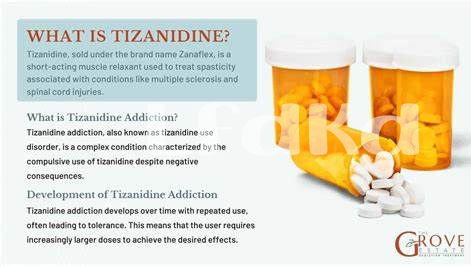
Clinical trials reveal meaningful spasticity relief from multiple agents, yet outcomes depend on diagnosis, dosing, and patient responsiveness over time and severity.
tizanidine often shows quicker onset in small studies, especially for spasticity after stroke or spinal injury, though superiority remains inconsistent in larger trials.
Baclofen demonstrates robust benefit in severe spinal spasticity, and both drugs reduce spasm frequency and associated pain across trials in selected patients.
Choice hinges on tolerability, comorbidities, and functional goals; pragmatic trials emphasize individualized treatment, long‑term outcomes, and quality‑of‑life measures to guide real-world clinical practice.
Side Effects, Safety Profiles, and Tolerability
Imagine a patient weighing the tradeoffs: baclofen often brings predictable muscle relaxation but can cause drowsiness and dizziness, while tizanidine’s sedative and hypotensive effects may surprise users, especially when combined with other depressants. Both medications can lead to weakness or dry mouth, and withdrawal from abrupt cessation of baclofen can provoke serious rebound spasticity or seizures, underscoring gradual tapering.
Clinicians balance efficacy against tolerability by tailoring doses, monitoring blood pressure and liver enzymes for tizanidine, and advising caution with alcohol and CNS depressants. Elderly patients require lower starting doses to reduce falls and confusion; renal impairment influences baclofen clearance, and hepatic issues guide tizanidine use. Shared decision-making, patient education about side effects, and accessible follow-up improve adherence and safety. Periodic reassessment allows dose adjustments and switches when side effects outweigh benefits, improving long-term outcomes and quality of life and independence.
Dosing, Onset, Duration, and Practical Use
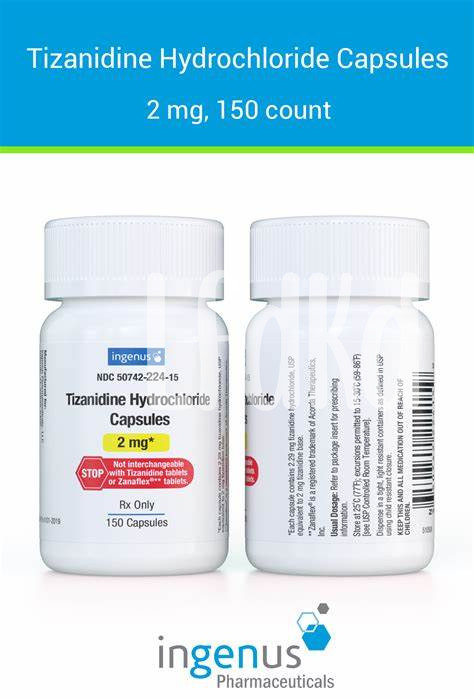
Clinicians typically initiate tizanidine at 2 mg and titrate slowly. Common regimens move to 2 to 4 mg every 6 to 8 hours with a max around 36 mg daily because its rapid onset, about 1 to 2 hours, and short half life give flexible, short lived relief. Baclofen often starts at 5 mg three times daily, raised by 5 mg increments toward typical maxima up to 80 mg per day, offering steadier control but requiring cautious titration.
Practical use hinges on patient factors. Tizanidine's hepatic metabolism and CYP1A2 interactions require caution with fluoroquinolones and dose reductions in liver disease, while baclofen's renal clearance mandates lower doses for impaired kidneys and vigilance for withdrawal if stopped abruptly. Both sedate and interact with CNS depressants; bedtime dosing can help. For refractory spasticity, intrathecal baclofen offers targeted therapy. Monitor elderly patients closely.
Drug Interactions, Contraindications, and Precautionary Tips
Start cautiously: combining tizanidine with ciprofloxacin or fluvoxamine can spike levels, so clinicians narrate careful review of co-prescriptions and counsel patients regularly about interactions.
Avoid alcohol or sedatives: additive sedation risks impair function. Renal or hepatic impairment requires dose adjustments and closer monitoring during therapy cycles.
Key exclusions include hypersensitivity and concurrent strong CYP1A2 inhibitors; pregnancy and breastfeeding demands individualized risk‑benefit discussion with documentation and alternative planning considered.
Educate patients about dizziness, orthostatic hypotension, and gradual tapering to avoid withdrawal; document interactions and keep emergency contacts accessible for safe use.
| Drug | Action |
|---|---|
| Ciprofloxacin | Avoid or reduce tizanidine |
Choosing for Patients: Cost, Compliance, and Outcomes
A patient weighing sleep interruption against relief may start by comparing price and access: baclofen is usually cheaper and widely available, while tizanidine often costs more and may require prior authorization.
Adherence hinges on side effects and dosing schedules; tizanidine’s short action can mean multiple daily doses, challenging compliance, whereas baclofen’s more forgiving schedule may improve adherence for some patients.
Clinically, both reduce spasticity but individual response varies; trialing a low dose and monitoring function, sleep, and cognition helps predict which drug yields better real-world outcomes.
Shared decision-making that weighs cost, side effects, employment demands, and goals of care produces the best balance between effectiveness and quality of life tailored to each individual patient's preferences.