
 Traveling with Ventolin: Tips for Air Travel
Carry on Essentials Packing Your Rescue Inhaler
On a windy layover I reached for my inhaler and felt instant relief; that little routine taught me to keep it within arm’s reach and to store it in a clear, labeled pouch. Stash one device in your carry-on pocket, a second backup in a separate bag, and include any small accessories like spacers, peak flow meters, or inhaler caps. Compact organization reduces stress and speeds security checks.
Bring prescriptions and a brief doctor’s note listing active ingredients and dosage to avoid delays; keep medications in original labeled containers. Familiarize yourself with airline and TSA guidelines—most carriers allow essential inhalers in carry-on without size limits, but declaring them speeds screening. Check expiry dates, count doses before travel, and pack medications in insulation sleeves if you expect extreme temperatures. A copy of emergency contacts and an action plan adds reassuring clarity.
| Item | Tip |
|---|---|
| Inhaler | Keep in carry-on, original label |
| Backup | Store separately for redundancy |
| Documentation | Prescription and doctor’s note |
Navigating Security Tips for Medication Screening
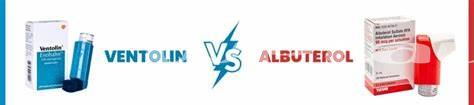
At the security line my heart raced but preparation eased my nerves; I kept my rescue medication in its original packaging, placed the ventolin inhaler and doses in clear plastic bag, carrying a doctor’s note.
Tell the TSA officer you have medication before screening begins; many airports allow aerosols to be screened. Keep inhalers accessible, request visual inspection if preferred, and avoid placing cans in checked luggage to prevent loss.
When crossing borders research country rules and airline policies ahead of time; some nations restrict propellant types. Carry prescriptions in English when possible, and email copies to yourself so you can present documentation during questioning.
At the checkpoint demonstrate the inhaler if asked, explaining its use and necessity. Accept hand swabs or separate inspections calmly, request gloves if needed, and be courteous — clear communication speeds the process for everyone.
Doctor Notes and Prescriptions Avoiding Airport Hassles
Waiting at security, I clutched a folded note my doctor had written — simple, official, and reassuring. A clear, signed letter speeds checks and reduces awkward explanations during busy travel days.
Pack medications in original packaging with the pharmacy label visible. Carry the prescription showing the generic name and indicate devices like a ventolin inhaler to avoid confusion abroad during checks.
Scan or photograph prescriptions and the doctor’s letter for your phone. Include contact details and, if traveling internationally, a translated summary and checked airline or embassy medication rules before departure.
Carry printed copies and keep medications accessible in your carry-on. Politely show documentation if asked; being prepared often turns a tense moment into smooth passage.
Using Your Inhaler in Flight Timing and Courtesy
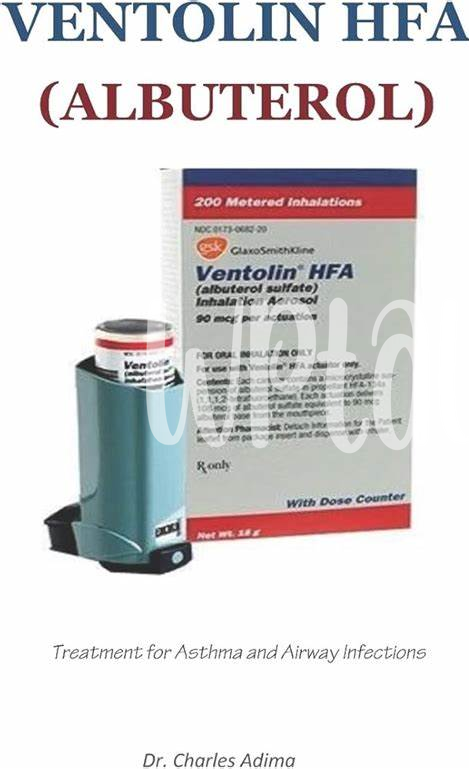
At 30,000 feet I felt the familiar tightness, reached into my bag and pulled out my ventolin inhaler—calm and practiced, ready to breathe.
Use quick-relief puffs as needed; wait one minute between doses and inform flight attendants if symptoms persist or worsen.
Offer a brief apology before taking medication, and avoid sprays that might bother neighbors; use a tissue if aerosol contacts skin.
If attacks are severe, request medical help and consider diversion; keep a spare inhaler accessible, and have prescription details ready for crew or medics with identification ready.
Managing Spare Medication Storage and Temperature Tips
I tuck a spare ventolin inhaler into a padded pouch and imagine being grateful mid flight if my chest tightens. Keep backups in carry on, not checked luggage, to avoid loss. Store inhalers in original packaging with prescription label so security staff can verify quickly. Small silica packets or insulated sleeves help moderate temperature swings on board and in luggage.
If you expect long waits or hot layovers, rotate spares into your day bag and check expiry dates monthly.
| Storage | Tip |
|---|---|
| Carry-on | Cool, avoid direct heat |
| Checked | Avoid; risk of extreme temperatures |
Preparing for Emergencies When and How to Seek Help
My heart raced as the cabin lights dimmed, but I reached instinctively for my rescue inhaler and focused on controlled breaths.
Tell flight attendants immediately if symptoms worsen; they can summon medical professionals and access onboard oxygen or first‑aid kits if needed.
Carry clear instructions, dosage limits, and an extra inhaler. Use spacers if prescribed and keep notes of your last use and triggers.
If symptoms persist or you lose consciousness, insist on diversion for medical care; document the episode and follow up with your clinician for adjustments. NHS NCBI