
 Vermox Vs Albendazole: Key Differences
Mechanisms: How Each Drug Kills Worms Differently
Vermox acts locally in the gut, binding parasite beta-tubulin and blocking microtubule assembly. This disruption halts glucose transport and intracellular trafficking, starving and immobilizing intestinal worms until they detach and die. Because Vermox (mebendazole) is poorly absorbed, its action is largely confined to luminal helminths, making it effective for pinworms, roundworms, and whipworms while minimizing systemic exposure. Its limited absorption explains why it rarely treats systemic or tissue-invasive helminths effectively.
Albendazole shares tubulin-binding activity but is metabolized to albendazole sulfoxide, a systemic active form that reaches tissues and cysts. Its broader distribution allows treatment of hydatid disease, neurocysticercosis, and tissue nematodes; it still disrupts microtubules, depletes glycogen, and impairs nutrient uptake, but may have stronger larvicidal effects. Clinicians choose albendazole when systemic penetration or treatment of tissue stages is required, balancing efficacy with monitoring for hepatic and hematologic toxicity regularly.
| Drug | Primary target |
|---|---|
| Vermox | Intestinal beta-tubulin |
| Albendazole | Systemic tubulin; tissue larvae |
Side Effects and Safety: What to Expect
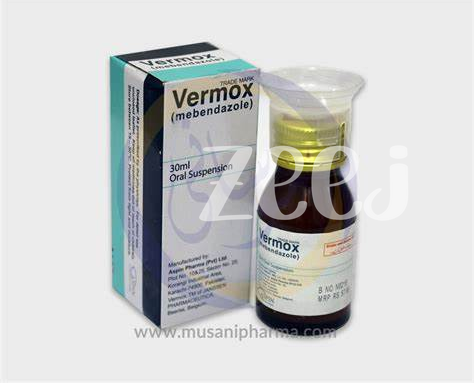
Taking vermox can feel like stepping into a small battle: most people experience mild, short-lived symptoms such as nausea, abdominal pain, or headache as the body clears parasites. Laboratory monitoring is rarely required for single-dose treatments, but extended courses may need liver function checks and blood counts to ensure safety.
Common reactions usually resolve without intervention, yet serious allergic responses, severe skin rashes, or persistent fever demand immediate medical attention. Children, pregnant women, and those with liver disease face distinct risks; albendazole and mebendazole family drugs differ, so clinicians choose based on patient profile and existing comorbidities.
Discuss side effects before starting treatment, report new symptoms promptly, and follow dosing instructions to minimize harm. Over the counter purchases vary by country; clear prescribing and short follow up reduce complications, helping eliminate worms while protecting health and preserving wellbeing for patients.
Dosage Differences: Timing, Strengths, and Treatment Lengths
In practice, vermox is usually used in short, low dose regimens for common intestinal worms, administered over one to a few days with repeated doses as needed. Albendazole, by contrast, can be given as a single higher dose for some infections or as a longer, once daily course for tissue invasive parasites; it is better absorbed when taken with a fatty meal, which affects timing.
These pharmacokinetic contrasts shape strength and duration: mebendazole’s limited absorption favors repeated local dosing, whereas albendazole allows systemic exposure and longer regimens but often needs liver monitoring and dose adjustment in children, pregnancy, or with interacting drugs. Providers choose timing and length based on parasite species and patient safety considerations.
Effectiveness Against Specific Worms: Which Wins?
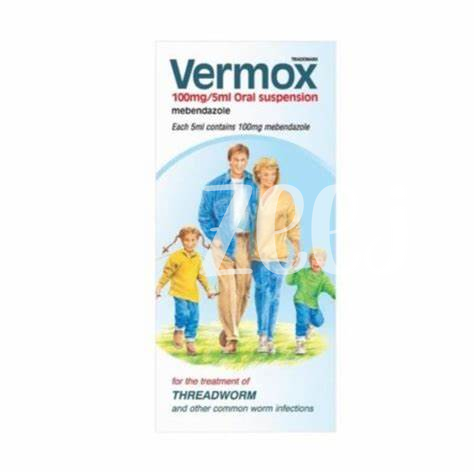
In the gut, vermox often shines: mebendazole quickly immobilizes intestinal worms like pinworms, roundworms, and whipworms, halting nutrient uptake and easing symptoms after short courses with minimal systemic absorption usually.
Albendazole penetrates tissues better, treating neurocysticercosis and hydatid disease; its systemic activity reaches larvae and cysts but demands longer courses and liver monitoring for safety and specialist supervision often recommended.
There is no universal winner; choice depends on species, infection site, severity, pregnancy status, drug availability, and patient factors, clinician guidance ensures selection and follow-up, including dosing adjustments and monitoring.
Interactions, Contraindications, and Special Population Guidance
A practical check-before-you-treat approach matters: vermox can interact with drugs that alter liver enzymes and medications affecting intestinal motility, so review prescriptions and supplements. Avoid use in patients with known hypersensitivity to mebendazole or related compounds; severe hepatic dysfunction also calls for caution and specialist input. Women of childbearing potential should have a pregnancy test and contraception discussion before treatment.
Pediatric dosing differs—weight-based adjustments and limits apply—so consult pediatric guidelines. When breastfeeding, weigh maternal benefit against infant exposure and time doses after feeds. Elderly patients need monitoring for comorbidities, renal function, and polypharmacy. If immunosuppressed or with heavy parasite burdens, coordinate care with infectious disease or tropical medicine specialists to tailor duration and follow-up testing.
| Group | Practical recommendation |
|---|---|
| Pregnancy | Generally avoid; assess alternatives |
| Breastfeeding | Consider timing; weigh benefits |
| Liver disease | Use with caution; monitor LFTs |
Access, Cost, Availability and Prescribing Practices Worldwide
Across regions, mebendazole’s presence reads like a patchwork: donated supplies and national deworming programs have boosted reach in low-income countries, while branded tablets are commonly prescribed in higher-income settings. Local procurement, generic competition and inclusion on essential medicine lists shape pricing and stock, meaning availability can swing from routine to sporadic depending on public health priorities.
Prescribers balance efficacy, resistance concerns and pregnancy rules—over-the-counter access varies—so clinicians often follow national guidelines or WHO recommendations for mass drug administration. Travelers and clinicians should check local formularies and licensing; in many places mebendazole remains a low-cost option, but stock-outs and regulatory differences still frustrate consistent care. Local reimbursement and supply chains matter. CDC Pinworm treatment PubChem Mebendazole