
 Top 5 Myths and Facts about Vibramycin
Myth: Vibramycin Causes Immediate Side Effects
While it's true that some individuals may experience side effects when taking Vibramycin, the notion that they are immediate is largely exaggerated. Most people tolerate this antibiotic well, with side effects being mild and often appearing only after several doses have been administered. It's important to consult a healthcare professional to understand how Vibramycin may affect you personally. Monitoring your body's reaction over the initial days of treatment can offer a more accurate understanding of its impact.
| Common Side Effects | Immediate Reaction Likelihood |
|---|---|
| Nausea | Low |
| Dizziness | Low to Moderate |
| Photosensitivity | Moderate |
Awareness of these potential side effects encourages informed and cautious use. Remember, any medicine should be taken under professional guidance to ensure both efficacy and safety. Misunderstandings about immediate side effects can deter patients from maintaining their prescribed course, hindering effective treatment. Always discuss any concerns with your doctor to tailor your experience with Vibramycin according to your health needs.
Fact: Proper Use Ensures Effectiveness and Safety
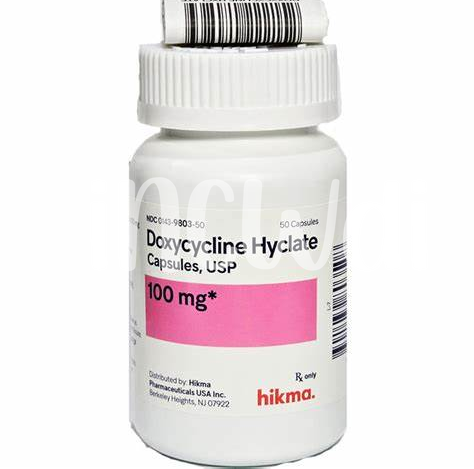
To harness the full potential of Vibramycin, it's essential to adhere to the prescribed dosage and schedule. This precision not only amplifies the drug's ability to combat infections but also minimizes adverse reactions. Whether taken with food, as sometimes advised, or on an empty stomach, following guidelines ensures that Vibramycin's absorption and efficacy are optimized. A well-informed approach to its use can significantly enhance its therapeutic benefits, underlining the importance of medical guidance in its administration.
Myth: Vibramycin Is Only for Severe Infections
Vibramycin is often perceived as a medication reserved exclusively for severe infections. However, this notion overlooks the versatility and breadth of its applications. While it's certainly potent enough to tackle significant infections, its utility extends far beyond these scenarios. Vibramycin, a form of the antibiotic doxycycline, can effectively treat a range of conditions, including respiratory tract infections, skin issues, and even some sexually transmitted infections. By understanding its broader applications, we realize that Vibramycin serves as a valuable tool in the arsenal against diverse medical challenges.
Fact: Its Wide Applications in Treating Various Conditions
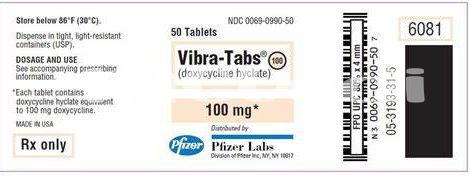
Vibramycin, a versatile antibiotic, finds its place in treating numerous medical conditions beyond the common perception. While it's a go-to solution for respiratory and urinary tract infections, its applications extend to areas that may surprise many. For instance, Vibramycin is often prescribed for acne, showcasing its efficacy in dermatological settings. Moreover, it's known to combat specific sexually transmitted infections and uncommon diseases like anthrax and Lyme disease. This breadth of application highlights the adaptability and potency of Vibramycin in various healthcare scenarios. Consequently, this antibiotic proves indispensable, providing relief across a spectrum of diseases while emphasizing the importance of versatile treatment options.
Myth: You Can Stop Vibramycin Once Symptoms Disappear
It's tempting to halt Vibramycin once symptoms ease, but doing so can hinder recovery. Symptoms may dissipate, yet the bacteria causing the infection could still linger. Premature discontinuation may allow these bacteria to rebound, potentially leading to antibiotic resistance.
| Heading | Details |
|---|---|
| Symptoms Disappear | The visible signs of illness may fade before the infection is fully eradicated. |
Ensure a complete and thorough recovery by following the full course of Vibramycin, as prescribed, to safeguard both your health and future antibiotic efficacy.
Fact: Completing the Course Is Crucial for Success
Vibramycin, a widely used antibiotic, requires strict adherence to the prescribed treatment duration to ensure optimal efficacy. Stopping the medication prematurely, even when symptoms subside, can lead to the survival of resilient bacteria. These can multiply and cause a resurgence of the infection, potentially more challenging to treat. This underscores the importance of completing the entire course, thus preventing the development of antibiotic resistance and safeguarding long-term health.
More on Vibramycin from NCBI Mayo Clinic on Doxycycline