
 Wellbutrin for Adhd: an Emerging Option?
What Makes Wellbutrin Different from Typical Adhd Meds
Unlike most ADHD medications, which are stimulants that target dopamine and norepinephrine, Wellbutrin offers a non-stimulant alternative. Its unique mechanism focuses on norepinephrine and dopamine, but through a reuptake inhibition pathway—making it distinct from amphetamines and methylphenidate that directly stimulate neurotransmitter release.
This difference in action means Wellbutrin is less likely to cause the jittery or anxious feelings often reported with stimulants. Additionally, it's not considered a controlled substance, reducing the risk of misuse or dependence.
| Feature | Stimulants | Wellbutrin |
|---|---|---|
| Drug Class | Stimulant | Non-stimulant |
| Neurotransmitters Targeted | Dopamine, Norepinephrine | Dopamine, Norepinephrine |
| Mechanism | Release & Reuptake inhibition | Reuptake inhibition |
| Controlled Substance | Yes | No |
How Wellbutrin Works in the Brain for Adhd
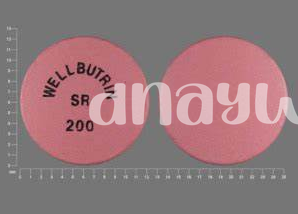
Unlike traditional stimulants, Wellbutrin affects two key neurotransmitters—dopamine and norepinephrine—instead of primarily increasing dopamine alone. This dual-action mechanism is believed to help enhance focus, attention, and impulse control, all core challenges in ADHD. As Wellbutrin modulates these neurotransmitters, it offers a different pathway to symptom improvement compared to commonly prescribed stimulant medications.
Many people are surprised to learn that Wellbutrin is classified as an atypical antidepressant, yet its effects on energy and alertness make it valuable for some individuals with ADHD. Unlike stimulant medications, it does not trigger the rapid release of neurotransmitters but gradually increases their availability, supporting more stable brain function over time.
This unique mechanism also means Wellbutrin may be a better fit for those who cannot tolerate stimulant side effects or have coexisting mood disorders. Its subtle but steady action sets it apart as an alternative for people seeking different solutions for managing ADHD symptoms.
Recent Research and Clinical Findings on Wellbutrin
In recent years, researchers have explored the impact of wellbutrin for managing ADHD symptoms, especially among adults who struggle with traditional treatments. Several clinical studies suggest wellbutrin can help improve focus, reduce impulsivity, and manage restlessness in some individuals.
One exciting finding is how wellbutrin may benefit those with both ADHD and depression, offering a dual approach to care. Sometimes, its effects have been compared favorably to stimulant medications.
However, while some trials have shown promise, results can be mixed. This highlights the importance of ongoing research to identify who responds best.
Who Might Benefit Most from Wellbutrin Treatment
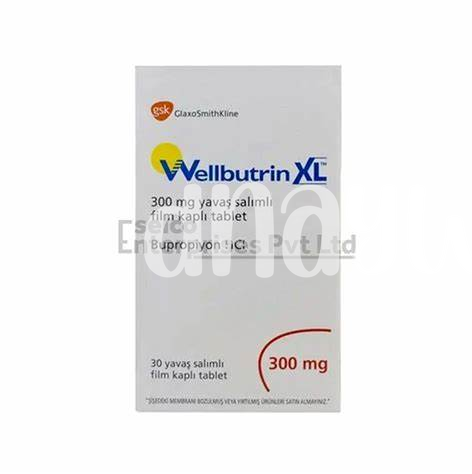
For individuals who haven’t responded well to traditional stimulant medications or who experience uncomfortable side effects, Wellbutrin may offer a valuable alternative. This medication is particularly considered for adults and teens dealing with both ADHD and depression, as its unique action on dopamine and norepinephrine addresses symptoms of both disorders.
People with a history of substance misuse may also find Wellbutrin appealing, since it’s not classified as a controlled substance. Its lower risk of abuse and potential mood-stabilizing qualities make it a thoughtful option in certain treatment plans.
Potential Side Effects and Safety Considerations
While many find Wellbutrin to be a useful alternative, it does come with its own set of unique safety considerations. Some patients report experiencing insomnia, dry mouth, or agitation, especially when starting the medication. Unlike stimulant ADHD medications, Wellbutrin rarely causes appetite suppression or elevated heart rate, though rare cases of seizures have been noted—typically at higher doses or with preexisting risk factors.
Doctors usually monitor for shifts in mood or anxiety, as the drug may occasionally worsen these symptoms. It's important to evaluate personal medical history before starting Wellbutrin, particularly regarding seizure disorders or eating disorders, to ensure safe and effective treatment.
| Possible Side Effect | Frequency | Notes |
|---|---|---|
| Insomnia | Common | Often lessens over time |
| Dry Mouth | Common | Stay hydrated |
| Agitation | Occasional | Monitor mood closely |
| Seizures | Rare | Risk increases with high dose |
Real-life Experiences: Stories from Adhd Patients
For many living with ADHD, trying Wellbutrin marked a notable shift in daily life. One patient described how, after years of frustration with stimulant medications, Wellbutrin offered steadier focus and fewer mood swings. Others mentioned improved motivation and a reduced “crash” at the day’s end. However, experiences vary; some felt only mild benefits, while a few reported difficulty sleeping or increased anxiety. These real-world accounts highlight the individualized nature of ADHD treatment and the importance of personalizing care.