
 Synthroid Timing: Best Practices for Daily Intake
Morning Fasting Versus Evening Dosing: What Matters
I once timed my pill with sunrise, discovering levothyroxine works best on an empty stomach. Evidence shows absorption improves when taken 30 to 60 minutes before breakfast, reducing interference from food and coffee.
Evening dosing is an alternative: some studies find similar thyroid levels when levothyroxine is taken at bedtime, provided the stomach is empty for two hours. That option suits night owls or those with hectic mornings.
Consistency matters more than clock time. Taking the pill the same way each day stabilizes TSH and helps your clinician adjust dose accurately. Pick a routine you can maintain: before breakfast or before bed.
If you switch timing, inform your provider and repeat labs after six to eight weeks. Small behavior changes—waiting after tea or separating supplements—can make a big difference in absorption and symptom control and improve overall quality of life.
| Timing | Key points |
|---|---|
| Morning | Empty stomach; take 30–60 minutes before breakfast |
| Evening | Empty stomach for ~2 hours at bedtime; useful if mornings are busy |
How Food and Supplements Interfere with Absorption
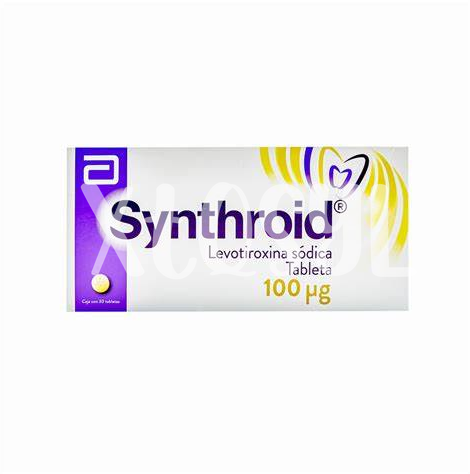
She learned quickly that breakfast choices rewrite medication effects; a cup of coffee or cereal can blunt synthroid absorption into the bloodstream today.
Calcium, iron, and fiber supplements cage thyroid hormone, forming complexes that delay absorption, so spacing these from your dose matters throughout the day.
Soy products and high-fiber meals can reduce bioavailability; aim to take synthroid on an empty stomach and wait at least thirty minutes.
Multivitamins and antacids rich in aluminum or magnesium can block effect; coordinate with your clinician to tailor timing and avoid gaps safely.
Ideal Timing Routines for Busy Daily Schedules
On hectic mornings, carve out a brief ritual: take synthroid right after waking, then wait thirty to sixty minutes before eating or drinking. That small pause preserves absorption and keeps thyroid levels steady over time.
Evening dosing can suit night owls: take the tablet three to four hours after your last light meal, typically before bedtime. Keep the schedule consistent each night to reduce hormonal fluctuations and simplify monitoring effort.
Integrate simple cues into busy days: set phone alarms, take the pill with a quick sip of water, or stash doses in travel pouches. Weekend routines should mirror weekdays so timing stays reliable and consistent.
When schedules change, note the exact time you take medication and tell your clinician before blood work, because timing affects lab interpretation. Small habits — alarms, predictable meals, travel backups — help long-term thyroid stability.
Managing Missed Doses and Safe Catch-up Strategies
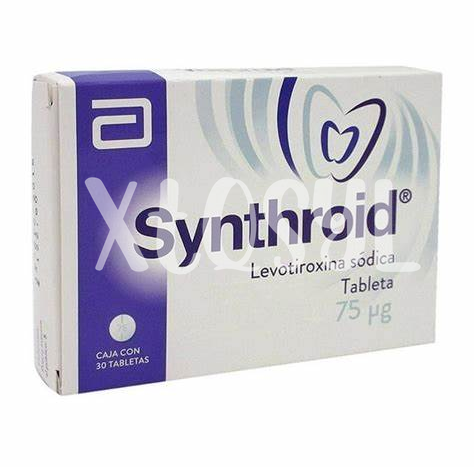
I once rushed out the door and realized I’d missed my morning synthroid. If you remember within a few hours, take the tablet immediately on an empty stomach; if it’s near your next scheduled dose, skip the missed one to avoid doubling. Never take two doses. Contact your clinician if you miss doses repeatedly so they can reassess timing or adherence strategies.
Practical catch-up tactics include setting alarms, keeping a marked pillbox, and carrying an extra dose when traveling. If you accidentally take an extra pill and develop palpitations, tremor, or anxiety, seek medical advice. For consistent control, pair these habits with regular lab checks to guide safe adjustments rather than improvising dose changes yourself.
Interactions with Other Medications to Watch Closely
I remember the morning my doctor warned me that other prescriptions could blunt synthroid’s effect. Small timing changes or extra pills meant confusing lab results and fatigue.
Common culprits include calcium, iron, proton pump inhibitors and some cholesterol drugs; each can reduce absorption or alter thyroid tests. Antacids and sucralfate deserve particular caution.
Practical strategies are simple: take synthroid alone with water, wait 30–60 minutes before breakfast, and separate interacting supplements by four hours when possible. Keep a medication list.
A short table highlights key interactions and suggested spacing.
| Interaction | Recommendation | Spacing | Notes |
|---|---|---|---|
| Calcium | Separate by four hours | ||
| Iron | Separate by four hours | ||
| Antacid | Wait 30–60 minutes | ||
| PPI | May alter absorption | ||
| Statins | Monitor closely | Caution |
Tips for Consistent Lab Monitoring and Dose Adjustments
When my dose changed, I learned that steady labs beat sporadic checks: get TSH (and free T4 when needed) measured about six to eight weeks after any dose adjustment, and then every six to twelve months once stable. Always schedule blood draws before taking that morning's levothyroxine so results reflect baseline levels.
Consistency matters: use the same laboratory and similar timing relative to medication each check, and bring a list of all supplements and prescription drugs since calcium, iron, and some antacids can skew results. Note symptoms and energy trends to help clinicians interpret numbers, because labs are only part of the picture.
If you become pregnant or your symptoms worsen, ask for earlier testing and rapid dose review; pregnancy and cardiac disease often require different targets. Keep a consistent pill routine and maintain open communication with your care team.